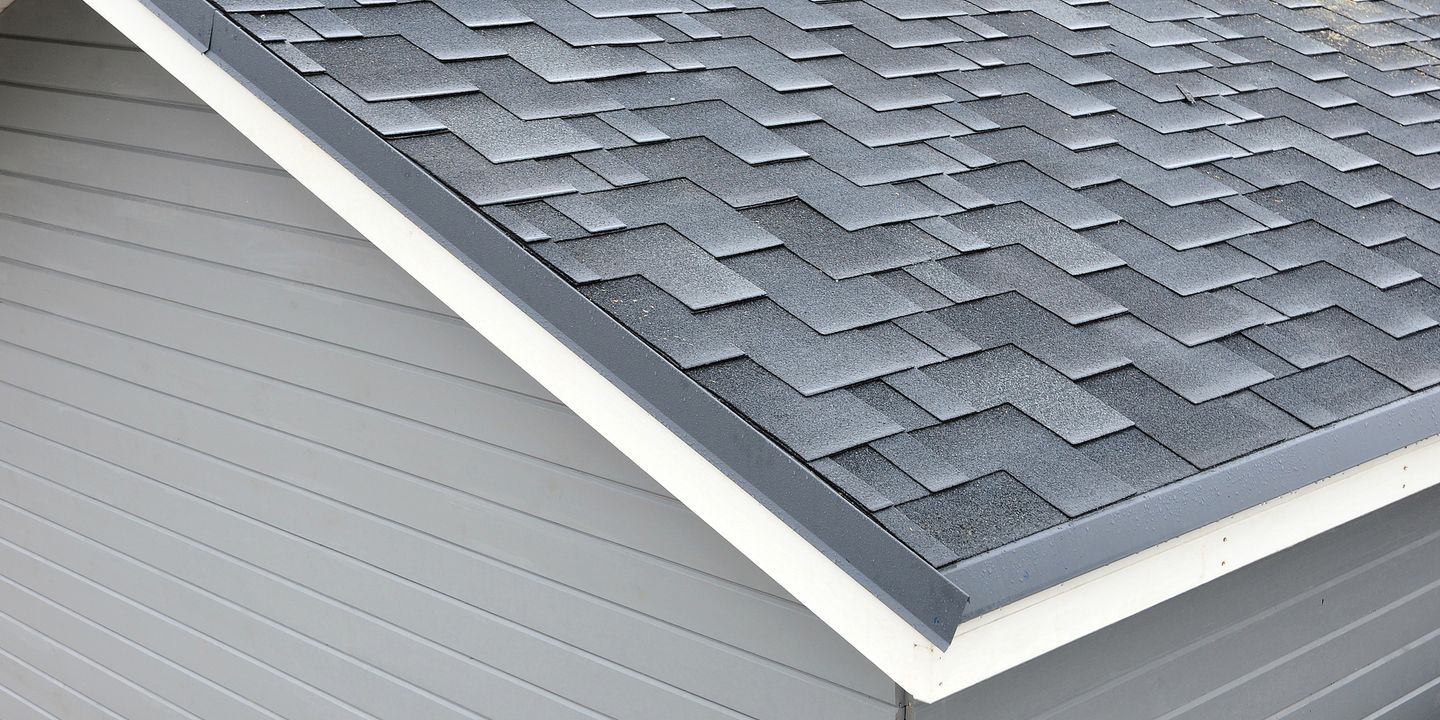
Roof Cost Per Square: What Roofers Are Actually Quoting
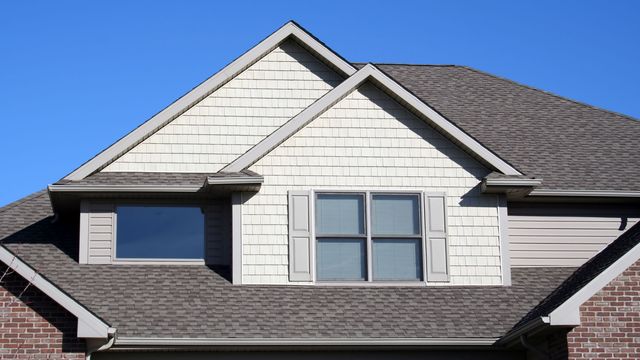
Roofing is priced by the square — 100 square feet. Here's what a square costs by material, and why your roof is bigger than your house.


Roofing is priced by the square — 100 square feet. Here's what a square costs by material, and why your roof is bigger than your house.
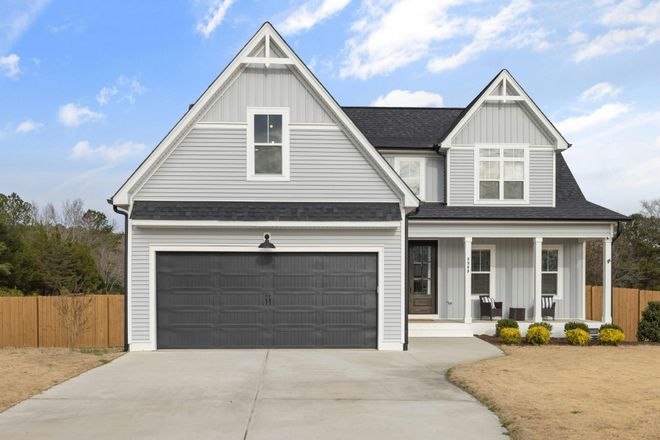
Siding runs $3 to $9 per square foot installed. Here's what that rate covers, what it leaves out, and why your project costs more.
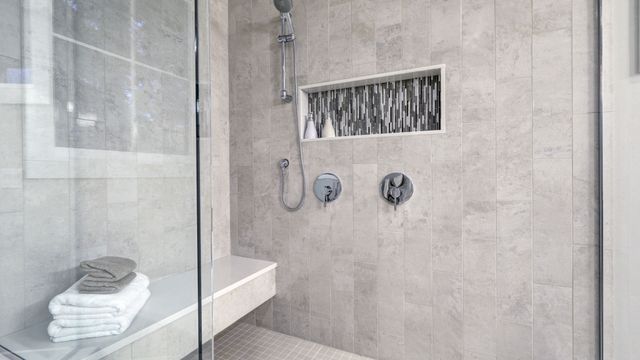
A custom tile walk-in shower runs $6,000 to $15,000. Here's what sits inside that range and which choices actually move it.
A vinyl double-hung runs $350 to $800 installed. Frame material and window style each move that, and labor is a bigger share than most people expect.
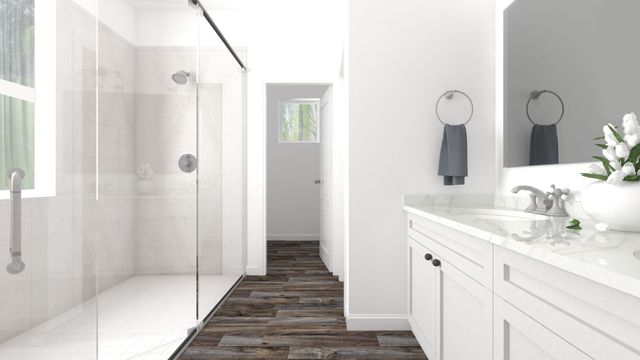
Budget, mid-range and high-end bathroom remodels run $3,000 to $75,000. The gap is mostly scope and plumbing, not fixtures.
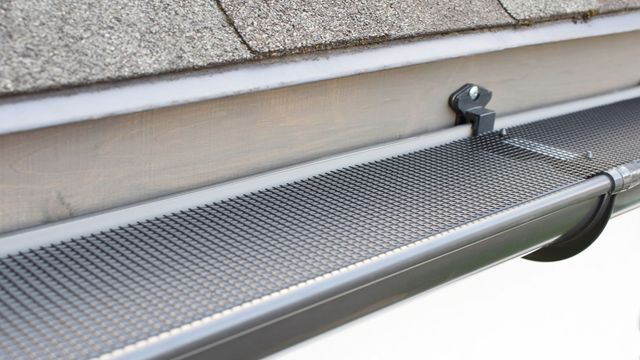
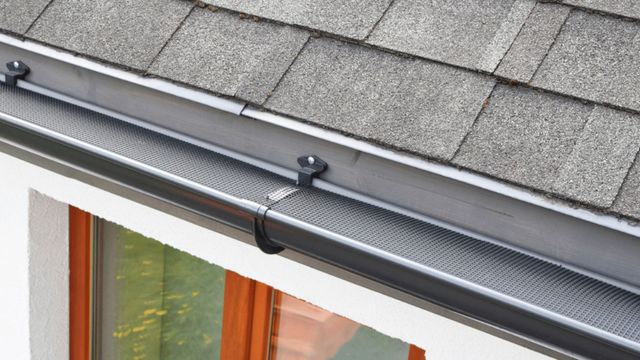
Micro-mesh guards run $7 to $14 per linear foot installed — about the same as new gutters. Here's what drives the number.
A custom tile walk-in shower runs $6,000 to $15,000. Here's what sits inside that range and which choices actually move it.
Frameless, semi-frameless, sliding or a fixed panel. What each costs, what each needs from your bathroom, and how to measure before you buy.
Open showers feel cold because of airflow, surfaces and room heat — not because they're open. Each has a fix.
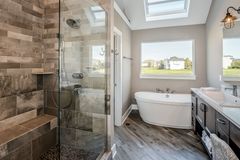
Water on the bathroom floor is usually slope, spray direction or depth — not a missing door. Here's what to check and what actually fixes it.
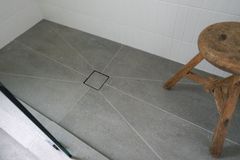
A walk-in tub is two purchases — the unit and the installation. One barely varies by market, the other varies a lot.

You're in the tub while it fills and while it drains. That single fact drives most of the practical questions about walk-in tubs.
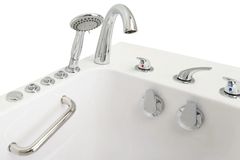
Two answers to the same problem. One keeps bathing, the other removes the threshold entirely — and they cost very different amounts.
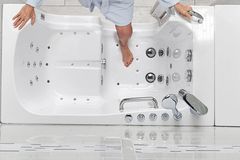
Budget, mid-range and high-end bathroom remodels run $3,000 to $75,000. The gap is mostly scope and plumbing, not fixtures.
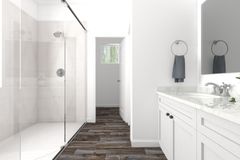
Converting a tub alcove to a walk-in shower runs $2,000 to $10,000 — less than building a shower elsewhere, because the plumbing stays put.
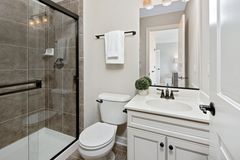
Updating what's there and tearing it out are different projects with different prices. Here's how to tell which one your bathroom needs.
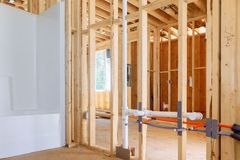
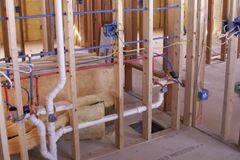
Relocating a toilet, vanity or drain is the most expensive decision in a bathroom project. Here's what's actually involved and when it's worth it.
Roofing is priced by the square — 100 square feet. Here's what a square costs by material, and why your roof is bigger than your house.
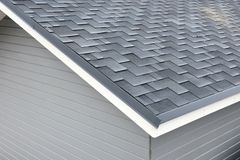
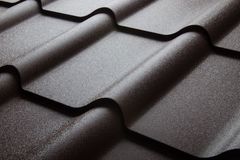
Metal roofing spans $4 to $30 per square foot installed. The reason is that 'metal roof' describes three very different products.
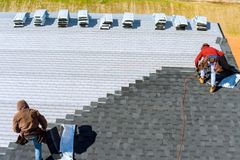
Material, timing and scope move a roofing number more than anything else. Here's what actually saves money and what only looks like it does.
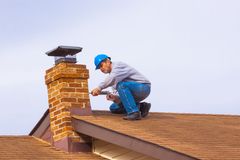
Most chimney leaks start at the flashing, not the masonry. Here's how to find the entry point and tell a sealant fix from a reflash.
Siding runs $3 to $9 per square foot installed. Here's what that rate covers, what it leaves out, and why your project costs more.
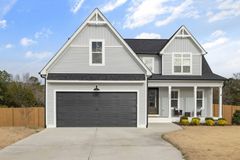
Fiber cement costs about twice vinyl per square foot and behaves differently on the wall. Here's what actually separates them.
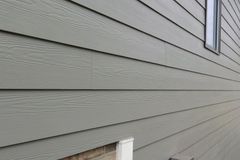
Inspection standards say most siding lasts as long as the house. Replacement windows say 20 to 40 years. Both are true, and the gap explains a lot.
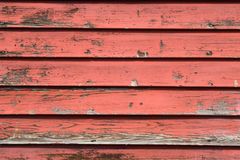
Most siding problems are cosmetic. A few mean water is already in the wall. Here's how to tell which one you have.
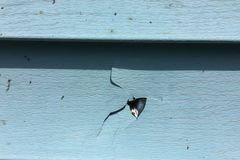
A vinyl double-hung runs $350 to $800 installed. Frame material and window style each move that, and labor is a bigger share than most people expect.

Vinyl, fiberglass, aluminium and wood. What separates them on cost, upkeep and how they behave in your climate.
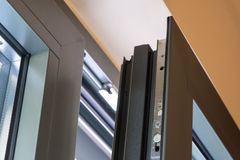
A failed seal, a broken balance and cracked glass are three different jobs. Two are cheap fixes and one usually isn't worth it.

Doing them in batches spreads the cost but pays a fixed overhead every time — and matching later is harder than people expect.

Micro-mesh guards run $7 to $14 per linear foot installed — about the same as new gutters. Here's what drives the number.
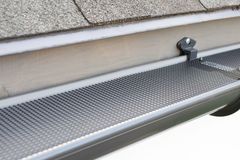
Five kinds of gutter guard, from foam inserts to micro-mesh. What each blocks, what gets through, and where each one fails.
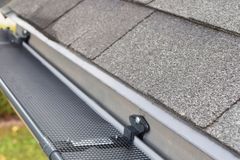
Mostly yes — but overflow in a downpour usually isn't a guard problem. It's sizing, slope or the downspout.

Most bad gutters aren't bad products — they're bad layouts. Here's how to set slope, space hangers and place downspouts correctly.