

See What a Bathroom Remodel Costs in Your Area
Published
What a bathroom remodel costs at every tier, and the two decisions that separate them: how much you change, and whether anything moves.
See What a Bathroom Remodel Costs
Enter your ZIP and see the typical cost in your area. About a minute.
Free. No obligation.
On this page
What's in a bathroom remodel
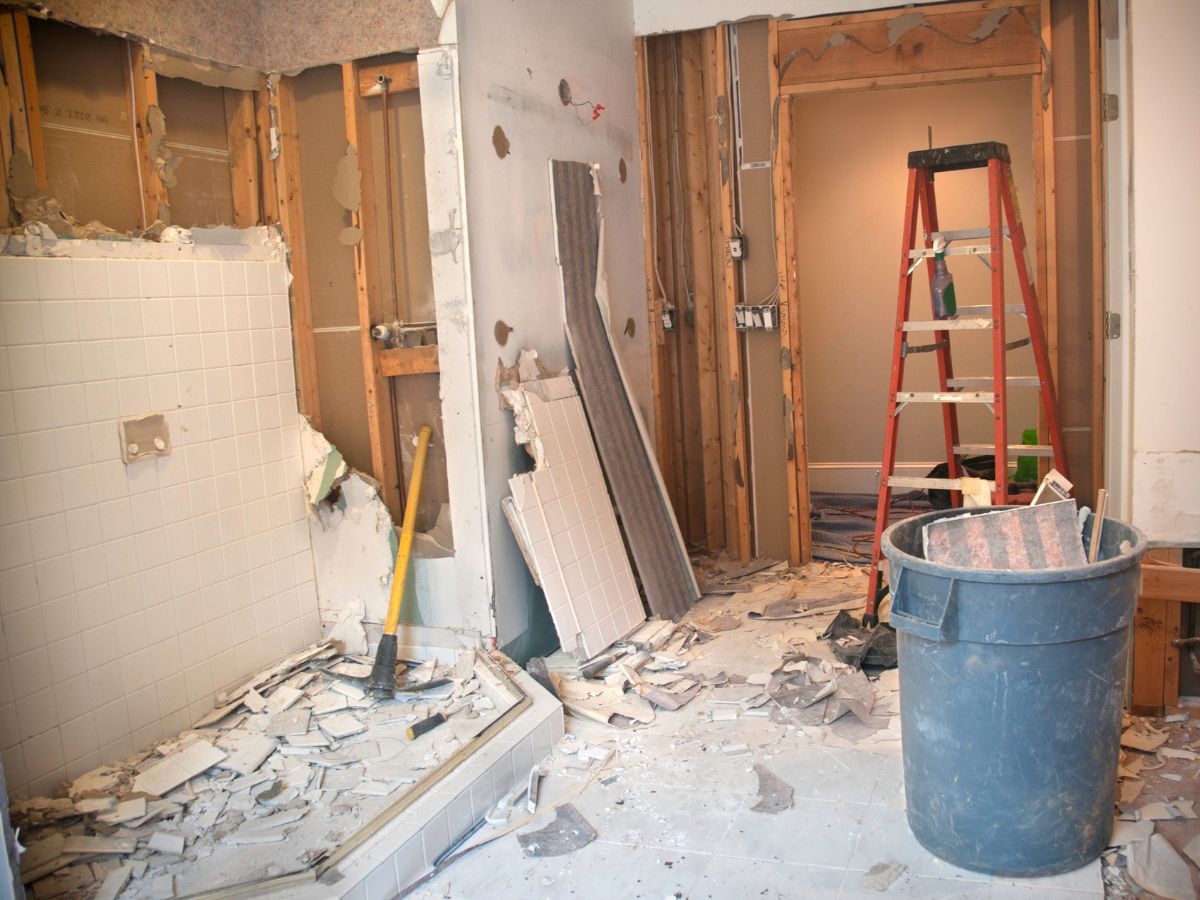
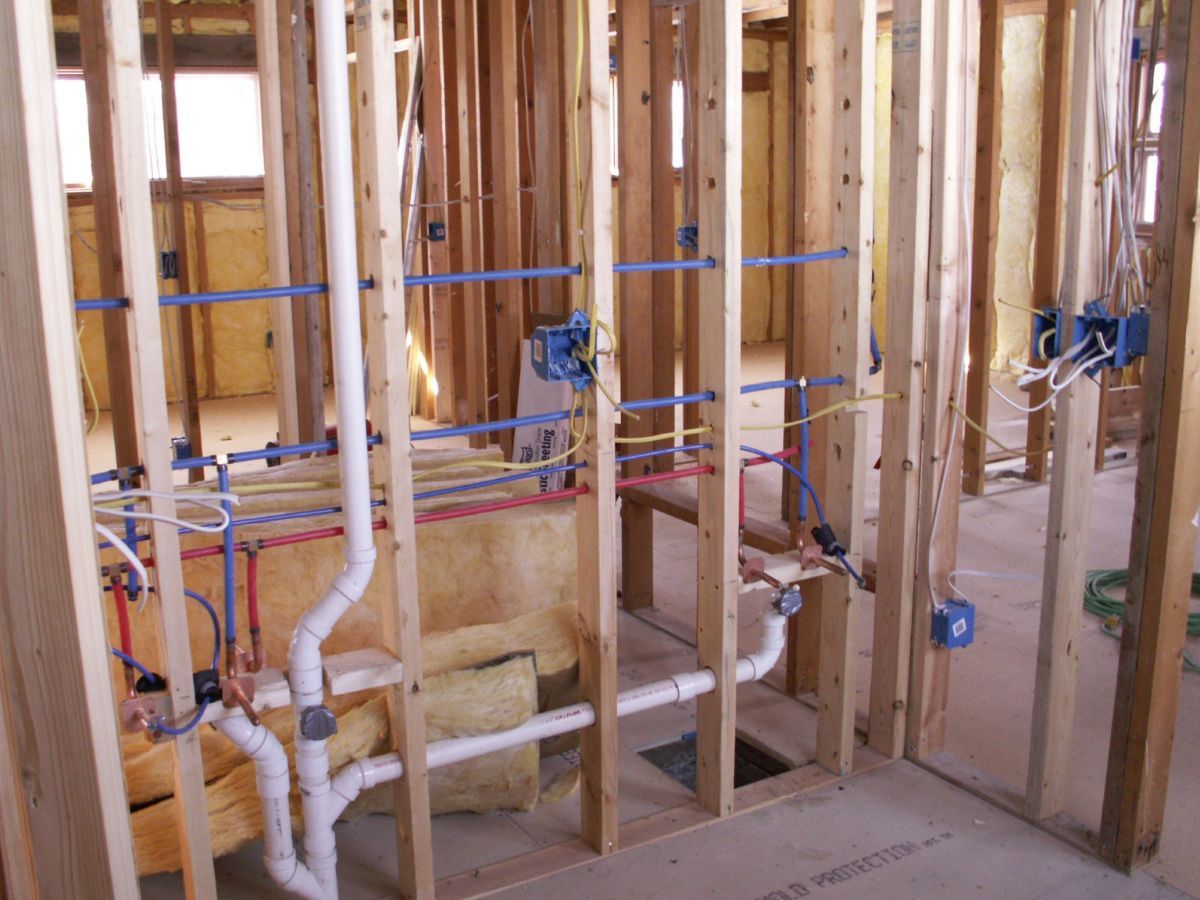
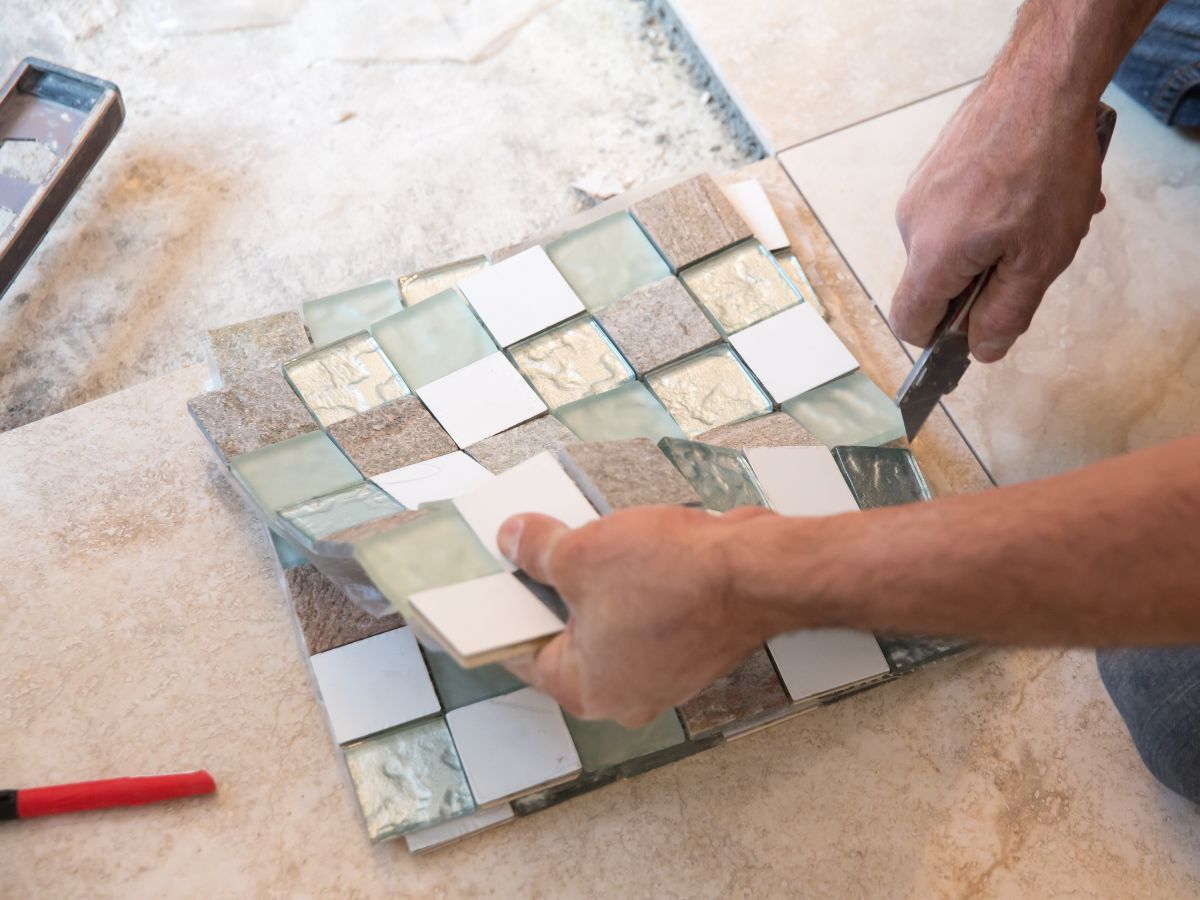
A remodel is more than new fixtures — these four parts of the job are what you're paying for.
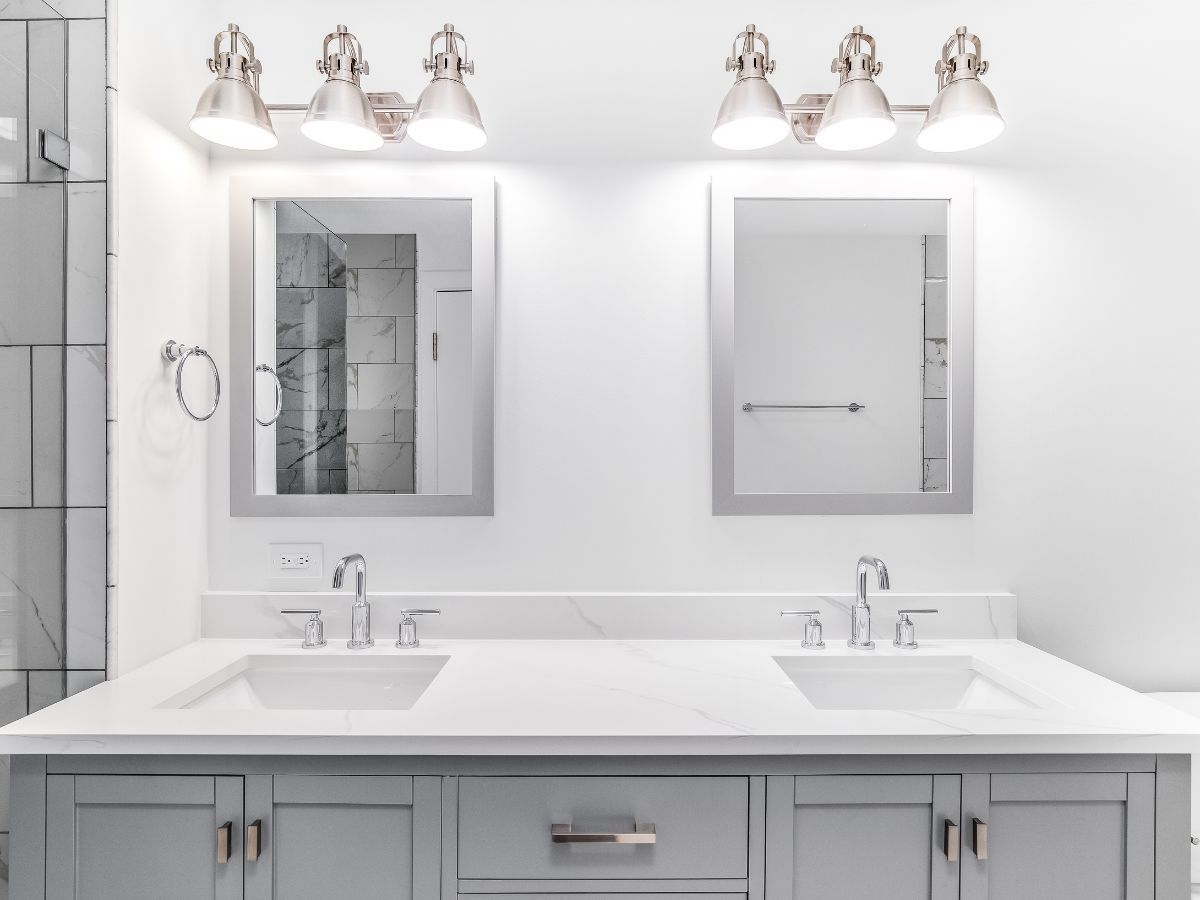
What a bathroom remodel costs in 2026
Replacing everything in a standard bathroom — keeping the layout — costs $20,000 at the national level, with most remodels landing between $14,000 and $30,000. Scope, bathroom size, layout changes and your market move the number from there.
The layout-change adder
The single biggest choice on this page is whether walls or plumbing move. On the same standard bathroom, full replacement, changing the layout adds $6,000 to the typical job — $20,000 becomes $26,000 — and pushes the high end from $30,000 to $42,000.
| Layout (full replacement, standard bathroom) | Low | Typical | High |
|---|---|---|---|
| Replace everything, same layout | $14,000 | $20,000 | $30,000 |
| Replace everything and change the layout | $17,000 | $26,000 | $42,000 |
Cost by project scope
Scope is the first fork. Updating what's there in a standard bathroom typically runs $11,000; replacing everything runs $20,000.
| Project scope (standard bathroom, same layout) | Low | Typical | High |
|---|---|---|---|
| Update what's there | $7,000 | $11,000 | $16,000 |
| Replace everything, same layout | $14,000 | $20,000 | $30,000 |
Cost by bathroom size
More room means more of everything — a full replacement, same layout, typically runs from $12,000 in a small bathroom to $30,000 in a large one.
| Bathroom size (full replacement, same layout) | Low | Typical | High |
|---|---|---|---|
| Small | $8,000 | $12,000 | $18,000 |
| Standard | $14,000 | $20,000 | $30,000 |
| Large | $20,000 | $30,000 | $45,000 |
Your market moves the number
National figures are a midpoint, not a quote. Across 30 distinct pricing tiers covering 25,966 ZIP codes, markets run from 14% below to 23% above the national level. That spread is exactly why the estimate starts with your ZIP — enter it and the figure is priced for your market, not the national average.
All 12 bathroom remodel scenarios (national figures)
| Scenario | Low | Typical | High |
|---|---|---|---|
| Update what's there · Small | $4,000 | $6,500 | $10,000 |
| Update what's there · Small | $7,000 | $12,500 | $22,000 |
| Update what's there · Standard | $7,000 | $11,000 | $16,000 |
| Update what's there · Standard | $10,000 | $17,000 | $28,000 |
| Update what's there · Large | $10,000 | $15,000 | $22,000 |
| Update what's there · Large | $13,000 | $21,000 | $34,000 |
| Replace everything, same layout · Small | $8,000 | $12,000 | $18,000 |
| Replace everything and change the layout · Small | $11,000 | $18,000 | $30,000 |
| Replace everything, same layout · Standard | $14,000 | $20,000 | $30,000 |
| Replace everything and change the layout · Standard | $17,000 | $26,000 | $42,000 |
| Replace everything, same layout · Large | $20,000 | $30,000 | $45,000 |
| Replace everything and change the layout · Large | $23,000 | $36,000 | $57,000 |
Common add-ons
These price separately and are not included in any figure above.
- Heated floor — $2,200 per project
- Frameless glass shower enclosure — $2,800 per project
- Double vanity upgrade — $1,600 per project
- Built-in or linen storage — $1,200 per project
- Subfloor or water damage repair — from $800 per project
Figures on this page: how we derive these numbers.
What changes your estimate
Every remodel prices differently. These are the four things that move the number.
Bathroom size
More floor and wall area means more tile, more waterproofing, more labor.
How much you change
Updating what's there and replacing everything are very different jobs.
Layout changes
Moving walls or plumbing adds framing, plumbing and electrical work.
Your ZIP code
The same remodel costs more in some markets than others.
How it works
- Enter your ZIP code
A remodel is a labor-heavy job, so local rates move the number.
- Answer a few quick questions
We ask about the bathroom's size and how much you're changing.
- See your cost estimate
It's built from 2026 cost data for your ZIP.
Common questions
How is my estimate calculated?
We take current regional construction cost data for your ZIP and size it to your project — bathroom size, how much you're changing, and whether walls are moving. It's a typical range for your area, not a bid.
How long does a bathroom remodel take?
Most remodels take 3-6 weeks depending on scope. A refresh can be quicker; moving walls or plumbing takes longer. Your pro will provide a detailed timeline.
Do I need permits for a bathroom remodel?
Permits are often required for plumbing and structural work. Local contractors handle all permit applications as part of their service.
Can I stay home during the remodel?
In most cases yes, though you'll need to plan around bathroom access. Your contractor will give you a daily schedule so there are no surprises.
Where these numbers come from
Every cost figure on this page is baked in at build time from a cost artifact generated on — scenario prices modeled at the national level from 2026 regional construction data, then adjusted to local markets through ZIP-code pricing tiers. Read the full methodology.
Cost data by EstimationPro.AI.
More bathroom remodeling guides
Bathroom Remodel Cost: Three Tiers and What Separates Them
Budget, mid-range and high-end bathroom remodels run $3,000 to $75,000. The gap is mostly scope and plumbing, not fixtures.
Tub-to-Shower Conversion Cost
Converting a tub alcove to a walk-in shower runs $2,000 to $10,000 — less than building a shower elsewhere, because the plumbing stays put.
Bathroom Refresh or Full Replacement?
Updating what's there and tearing it out are different projects with different prices. Here's how to tell which one your bathroom needs.
Moving Plumbing in a Bathroom Remodel: What It Costs You
Relocating a toilet, vanity or drain is the most expensive decision in a bathroom project. Here's what's actually involved and when it's worth it.
See What a Bathroom Remodel Costs
Enter your ZIP and see the typical cost in your area. About a minute.
Free. No obligation.