

See What New Siding Costs in Your Area
Published
What new siding costs by material, home size and storeys — and why siding gets more expensive as a house gets taller.
See What New Siding Costs
Enter your ZIP and see the typical cost in your area. About a minute.
Free. No obligation.
On this page
What's in a siding replacement
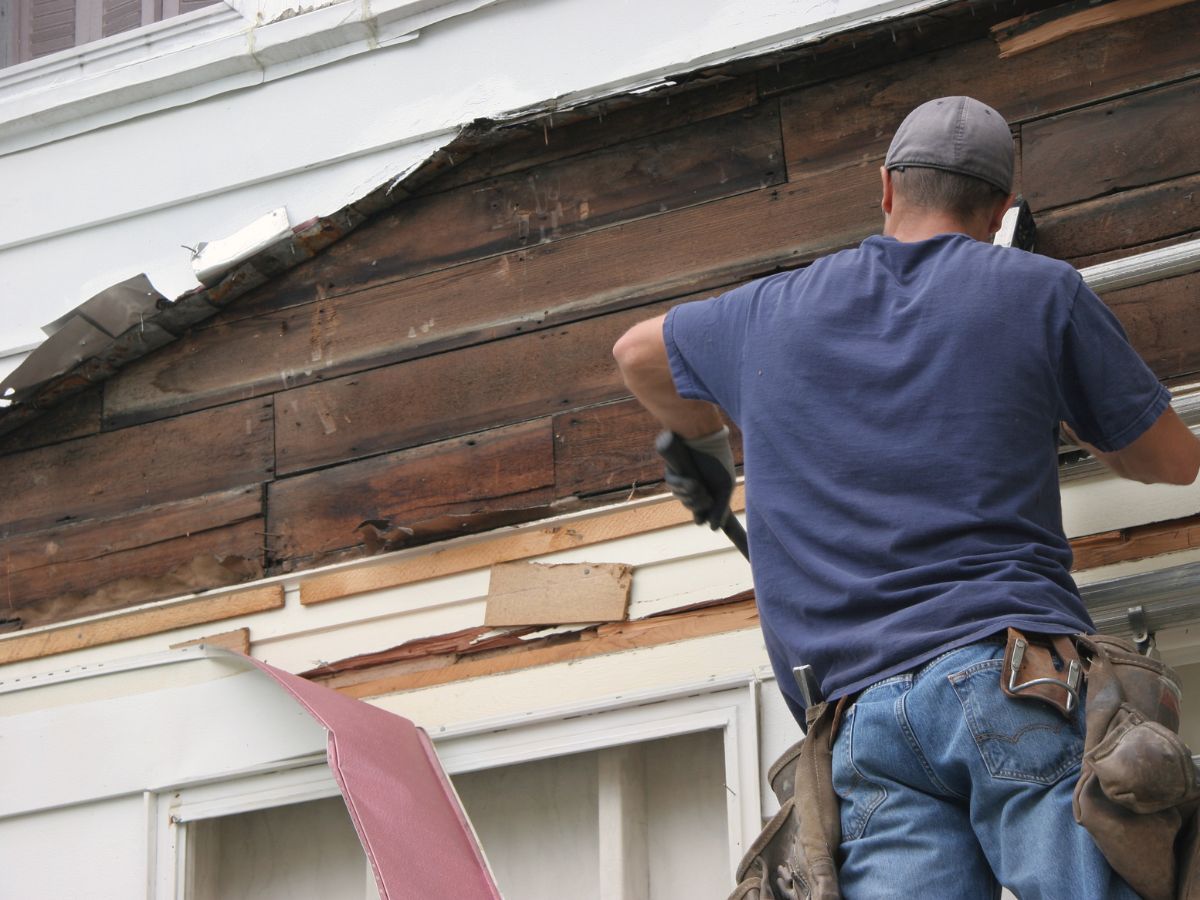
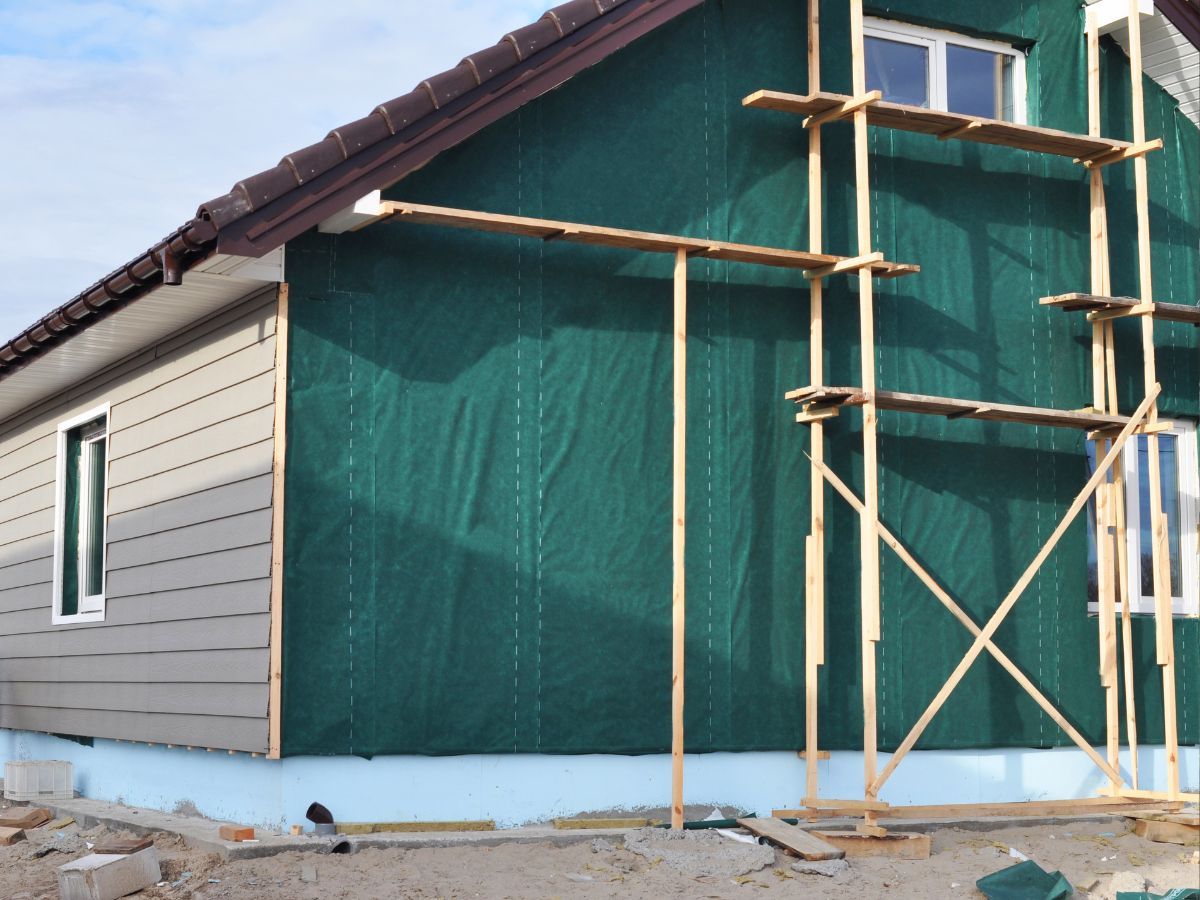
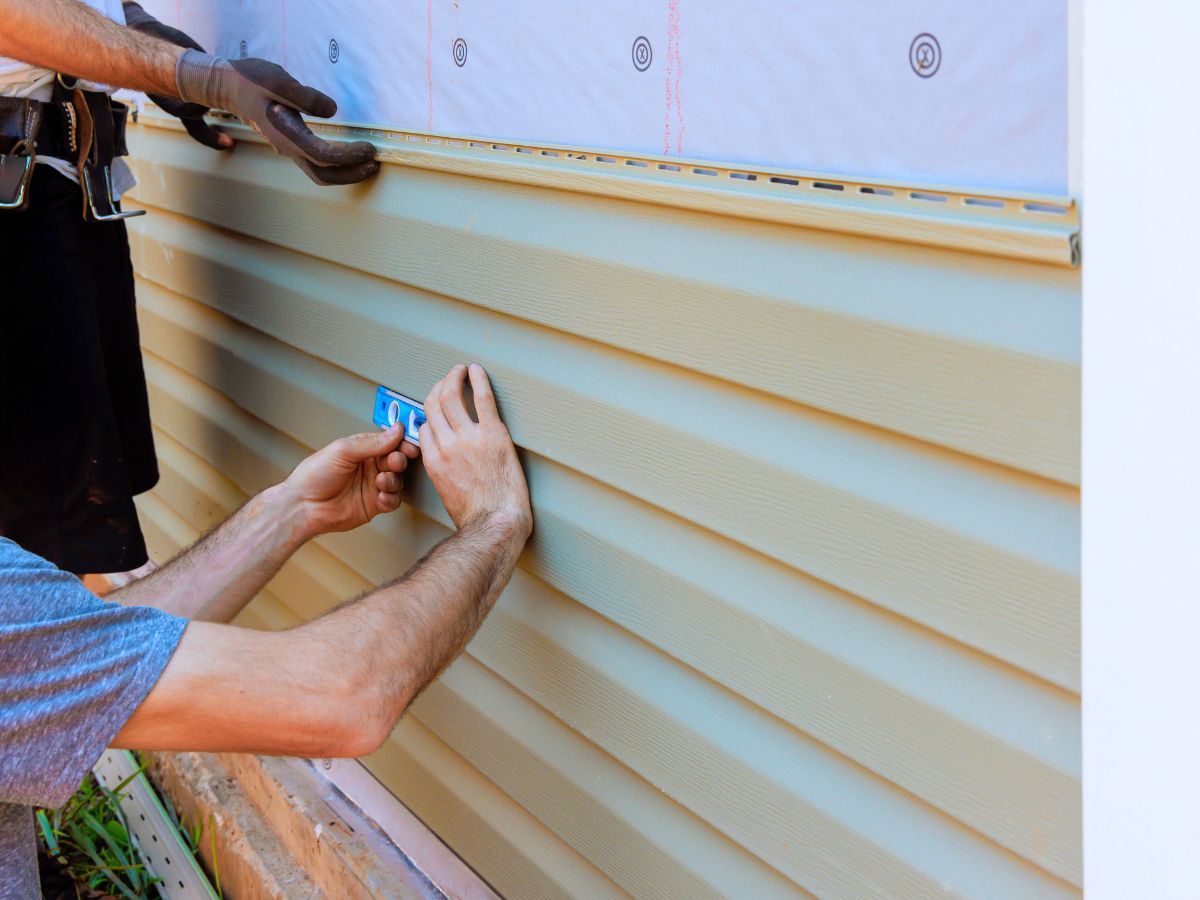
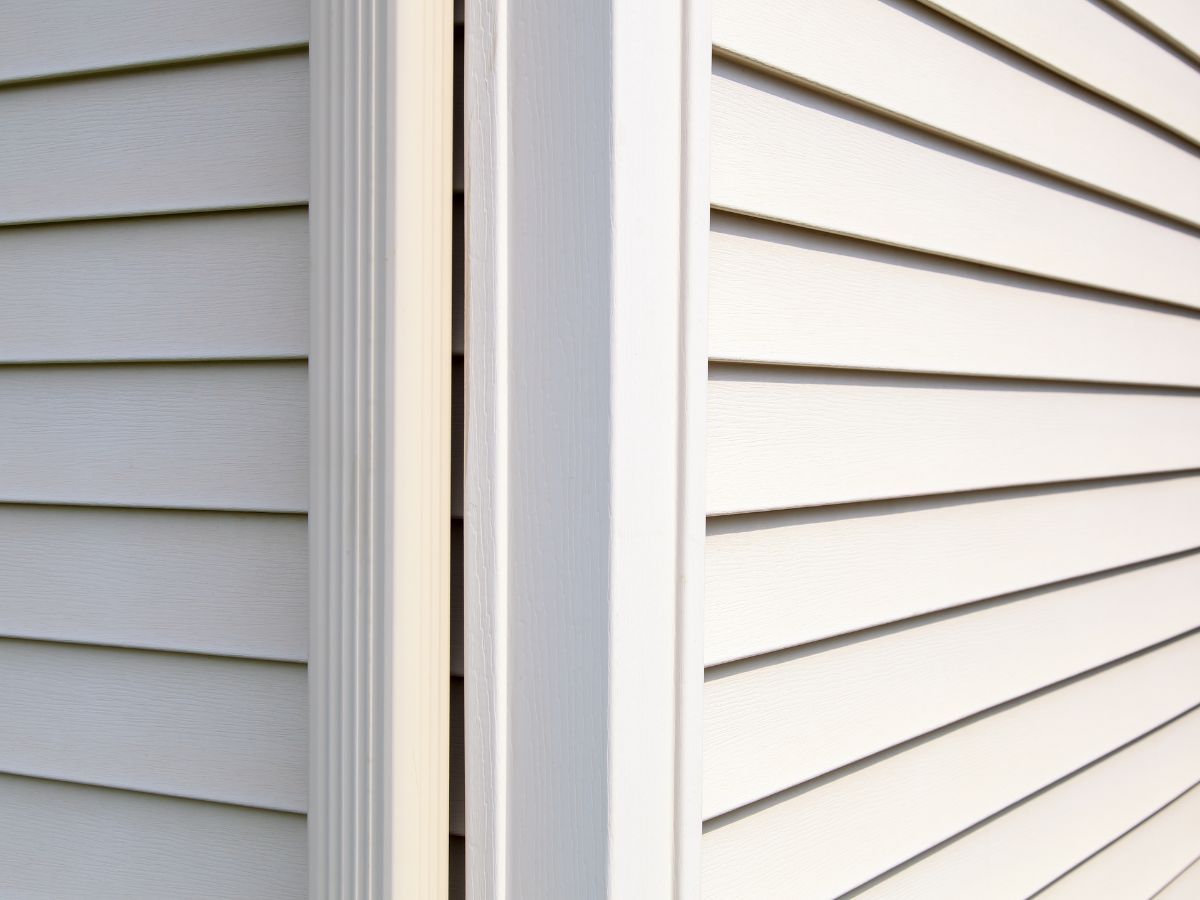
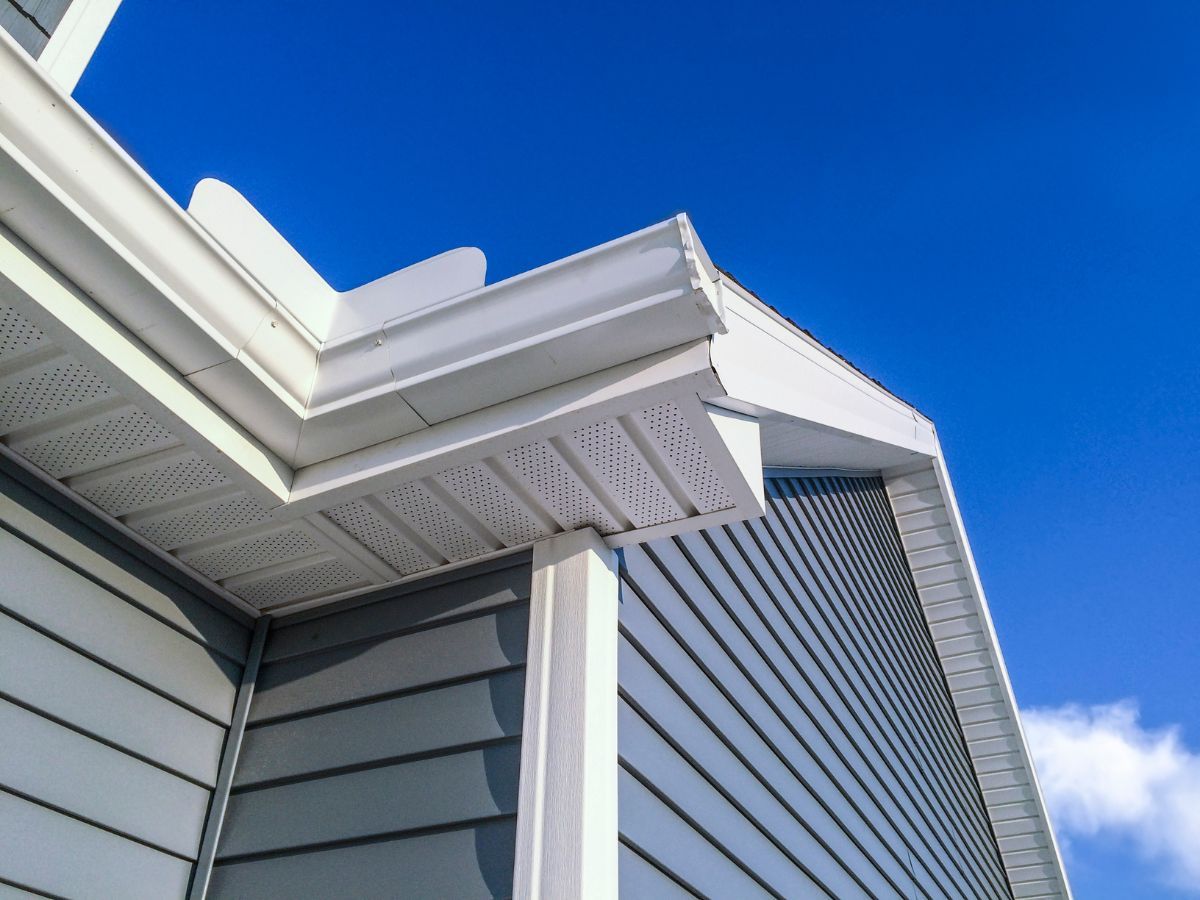
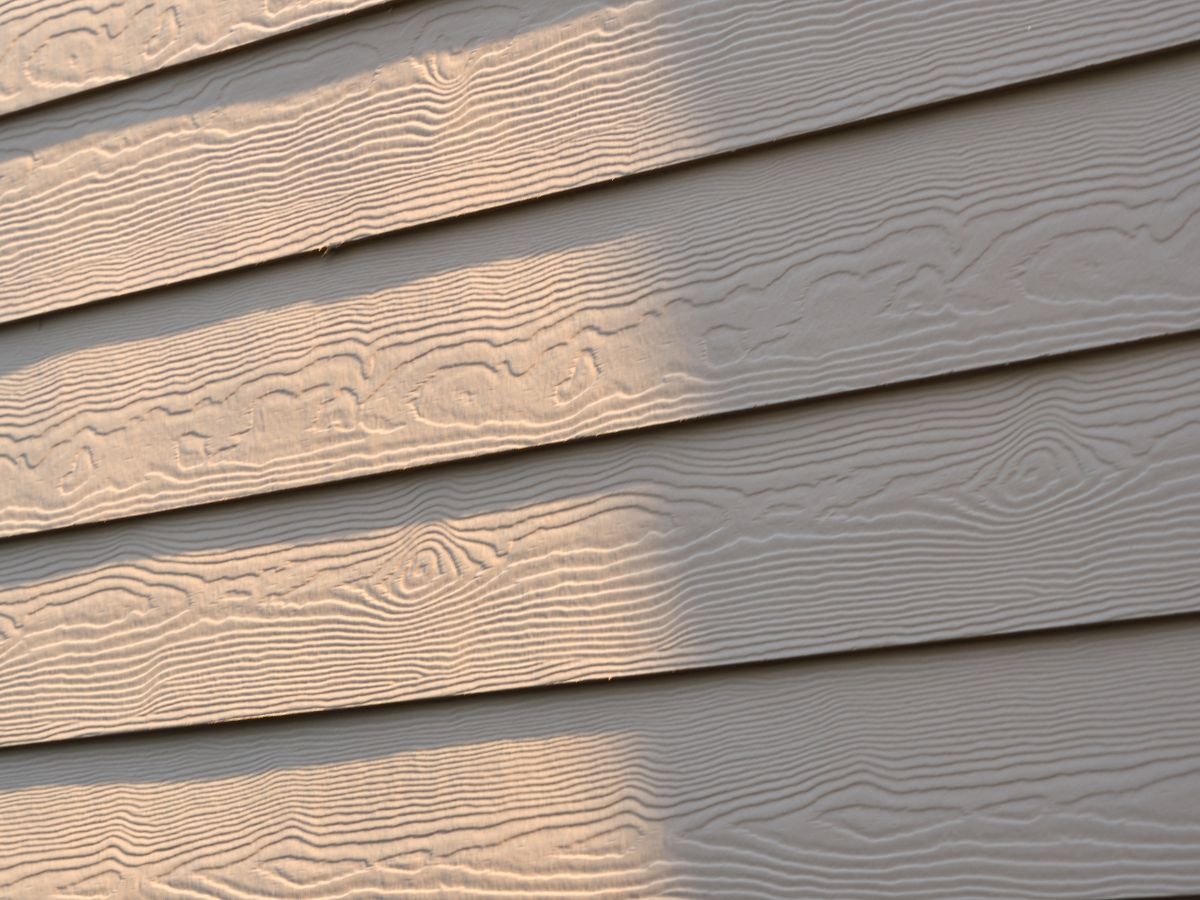
A replacement is more than new panels — these six parts of the job are what you're paying for.
What new siding costs in 2026
Re-siding a typical 2,000 sq ft one-story home costs $13,260 with vinyl at the national level, with most jobs landing between $8,370 and $21,230. Material, home size, stories and your market move the number from there.
Cost by siding material
Material is the biggest lever. On the same 2,000 sq ft one-story home, the typical job runs from $13,260 in vinyl to $58,110 in stone.
| Material (2,000 sq ft, one story) | Low | Typical | High |
|---|---|---|---|
| Vinyl | $8,370 | $13,260 | $21,230 |
| Stucco | $12,860 | $18,640 | $28,410 |
| Wood | $12,860 | $20,430 | $32,000 |
| Fiber cement | $14,650 | $22,230 | $30,210 |
| Brick | $21,830 | $32,990 | $51,730 |
| Stone | $36,180 | $58,110 | $87,620 |
Cost by home size
Bigger homes cost more, but not proportionally — on a one-story home, going from about 1,200 to about 4,000 sq ft takes a typical vinyl job from $10,430 to $18,460, and fiber cement from $17,380 to $31,150.
- Vinyl (typical marker)
- Fiber cement (typical marker)
| Home size and material (one story) | Low | Typical | High |
|---|---|---|---|
| Under 1,500 sq ft — Vinyl | $6,550 | $10,430 | $16,790 |
| Under 1,500 sq ft — Fiber cement | $11,420 | $17,380 | $23,730 |
| 1,500–2,500 sq ft — Vinyl | $8,370 | $13,260 | $21,230 |
| 1,500–2,500 sq ft — Fiber cement | $14,650 | $22,230 | $30,210 |
| 2,500–3,500 sq ft — Vinyl | $10,190 | $16,080 | $25,670 |
| 2,500–3,500 sq ft — Fiber cement | $17,880 | $27,070 | $36,660 |
| Over 3,500 sq ft — Vinyl | $11,720 | $18,460 | $29,410 |
| Over 3,500 sq ft — Fiber cement | $20,600 | $31,150 | $42,100 |
The storeys effect
Siding cost RISES with each storey — the opposite of roofing. Stack the same 2,000 sq ft of living space upward and wall area grows while the roof footprint shrinks: a typical vinyl job goes from $13,260 on one story to $18,460 on two and $22,450 on three or more.
| Stories (vinyl, 2,000 sq ft) | Low | Typical | High |
|---|---|---|---|
| One story | $8,370 | $13,260 | $21,230 |
| Two stories | $11,720 | $18,460 | $29,410 |
| Three or more stories | $14,280 | $22,450 | $35,680 |
Your market moves the number
National figures are a midpoint, not a quote. Across 30 distinct pricing tiers covering 25,966 ZIP codes, markets run from 14% below to 23% above the national level. That spread is exactly why the estimate starts with your ZIP — enter it and the figure is priced for your market, not the national average.
All 73 siding scenarios (national figures)
| Scenario | Low | Typical | High |
|---|---|---|---|
| Replace Siding · Vinyl · Under 1,500 sq ft · One | $6,550 | $10,430 | $16,790 |
| Replace Siding · Vinyl · Under 1,500 sq ft · Two | $9,140 | $14,460 | $23,120 |
| Replace Siding · Vinyl · Under 1,500 sq ft · Three or more | $11,130 | $17,550 | $27,980 |
| Replace Siding · Vinyl · 1,500–2,500 sq ft · One | $8,370 | $13,260 | $21,230 |
| Replace Siding · Vinyl · 1,500–2,500 sq ft · Two | $11,720 | $18,460 | $29,410 |
| Replace Siding · Vinyl · 1,500–2,500 sq ft · Three or more | $14,280 | $22,450 | $35,680 |
| Replace Siding · Vinyl · 2,500–3,500 sq ft · One | $10,190 | $16,080 | $25,670 |
| Replace Siding · Vinyl · 2,500–3,500 sq ft · Two | $14,280 | $22,450 | $35,680 |
| Replace Siding · Vinyl · 2,500–3,500 sq ft · Three or more | $17,430 | $27,340 | $43,360 |
| Replace Siding · Vinyl · Over 3,500 sq ft · One | $11,720 | $18,460 | $29,410 |
| Replace Siding · Vinyl · Over 3,500 sq ft · Two | $16,450 | $25,820 | $40,970 |
| Replace Siding · Vinyl · Over 3,500 sq ft · Three or more | $20,080 | $31,460 | $49,840 |
| Replace Siding · Fiber cement · Under 1,500 sq ft · One | $11,420 | $17,380 | $23,730 |
| Replace Siding · Fiber cement · Under 1,500 sq ft · Two | $16,020 | $24,280 | $32,940 |
| Replace Siding · Fiber cement · Under 1,500 sq ft · Three or more | $19,560 | $29,580 | $40,010 |
| Replace Siding · Fiber cement · 1,500–2,500 sq ft · One | $14,650 | $22,230 | $30,210 |
| Replace Siding · Fiber cement · 1,500–2,500 sq ft · Two | $20,600 | $31,150 | $42,100 |
| Replace Siding · Fiber cement · 1,500–2,500 sq ft · Three or more | $25,160 | $37,990 | $51,220 |
| Replace Siding · Fiber cement · 2,500–3,500 sq ft · One | $17,880 | $27,070 | $36,660 |
| Replace Siding · Fiber cement · 2,500–3,500 sq ft · Two | $25,160 | $37,990 | $51,220 |
| Replace Siding · Fiber cement · 2,500–3,500 sq ft · Three or more | $30,750 | $46,370 | $62,390 |
| Replace Siding · Fiber cement · Over 3,500 sq ft · One | $20,600 | $31,150 | $42,100 |
| Replace Siding · Fiber cement · Over 3,500 sq ft · Two | $29,010 | $43,760 | $58,910 |
| Replace Siding · Fiber cement · Over 3,500 sq ft · Three or more | $35,460 | $53,430 | $71,810 |
| Replace Siding · Stucco · Under 1,500 sq ft · One | $10,030 | $14,600 | $22,350 |
| Replace Siding · Stucco · Under 1,500 sq ft · Two | $14,060 | $20,350 | $30,980 |
| Replace Siding · Stucco · Under 1,500 sq ft · Three or more | $17,150 | $24,770 | $37,600 |
| Replace Siding · Stucco · 1,500–2,500 sq ft · One | $12,860 | $18,640 | $28,410 |
| Replace Siding · Stucco · 1,500–2,500 sq ft · Two | $18,060 | $26,070 | $39,560 |
| Replace Siding · Stucco · 1,500–2,500 sq ft · Three or more | $22,050 | $31,770 | $48,110 |
| Replace Siding · Stucco · 2,500–3,500 sq ft · One | $15,680 | $22,670 | $34,460 |
| Replace Siding · Stucco · 2,500–3,500 sq ft · Two | $22,050 | $31,770 | $48,110 |
| Replace Siding · Stucco · 2,500–3,500 sq ft · Three or more | $26,940 | $38,760 | $58,590 |
| Replace Siding · Stucco · Over 3,500 sq ft · One | $18,060 | $26,070 | $39,560 |
| Replace Siding · Stucco · Over 3,500 sq ft · Two | $25,420 | $36,580 | $55,320 |
| Replace Siding · Stucco · Over 3,500 sq ft · Three or more | $31,060 | $44,650 | $67,420 |
| Replace Siding · Wood · Under 1,500 sq ft · One | $10,030 | $15,990 | $25,120 |
| Replace Siding · Wood · Under 1,500 sq ft · Two | $14,060 | $22,320 | $34,910 |
| Replace Siding · Wood · Under 1,500 sq ft · Three or more | $17,150 | $27,180 | $42,420 |
| Replace Siding · Wood · 1,500–2,500 sq ft · One | $12,860 | $20,430 | $32,000 |
| Replace Siding · Wood · 1,500–2,500 sq ft · Two | $18,060 | $28,610 | $44,630 |
| Replace Siding · Wood · 1,500–2,500 sq ft · Three or more | $22,050 | $34,880 | $54,330 |
| Replace Siding · Wood · 2,500–3,500 sq ft · One | $15,680 | $24,870 | $38,850 |
| Replace Siding · Wood · 2,500–3,500 sq ft · Two | $22,050 | $34,880 | $54,330 |
| Replace Siding · Wood · 2,500–3,500 sq ft · Three or more | $26,940 | $42,560 | $66,200 |
| Replace Siding · Wood · Over 3,500 sq ft · One | $18,060 | $28,610 | $44,630 |
| Replace Siding · Wood · Over 3,500 sq ft · Two | $25,420 | $40,170 | $62,500 |
| Replace Siding · Wood · Over 3,500 sq ft · Three or more | $31,060 | $49,040 | $76,210 |
| Replace Siding · Brick · Under 1,500 sq ft · One | $16,980 | $25,710 | $40,410 |
| Replace Siding · Brick · Under 1,500 sq ft · Two | $23,880 | $36,080 | $56,530 |
| Replace Siding · Brick · Under 1,500 sq ft · Three or more | $29,180 | $44,030 | $68,900 |
| Replace Siding · Brick · 1,500–2,500 sq ft · One | $21,830 | $32,990 | $51,730 |
| Replace Siding · Brick · 1,500–2,500 sq ft · Two | $30,750 | $46,370 | $72,540 |
| Replace Siding · Brick · 1,500–2,500 sq ft · Three or more | $37,590 | $56,630 | $88,510 |
| Replace Siding · Brick · 2,500–3,500 sq ft · One | $26,670 | $40,250 | $63,020 |
| Replace Siding · Brick · 2,500–3,500 sq ft · Two | $37,590 | $56,630 | $88,510 |
| Replace Siding · Brick · 2,500–3,500 sq ft · Three or more | $45,970 | $69,200 | $108,060 |
| Replace Siding · Brick · Over 3,500 sq ft · One | $30,750 | $46,370 | $72,540 |
| Replace Siding · Brick · Over 3,500 sq ft · Two | $43,360 | $65,290 | $101,970 |
| Replace Siding · Brick · Over 3,500 sq ft · Three or more | $53,030 | $79,800 | $124,550 |
| Replace Siding · Stone · Under 1,500 sq ft · One | $28,090 | $45,170 | $68,200 |
| Replace Siding · Stone · Under 1,500 sq ft · Two | $39,610 | $63,590 | $95,830 |
| Replace Siding · Stone · Under 1,500 sq ft · Three or more | $48,440 | $77,720 | $117,040 |
| Replace Siding · Stone · 1,500–2,500 sq ft · One | $36,180 | $58,110 | $87,620 |
| Replace Siding · Stone · 1,500–2,500 sq ft · Two | $51,040 | $81,890 | $123,290 |
| Replace Siding · Stone · 1,500–2,500 sq ft · Three or more | $62,450 | $100,140 | $150,660 |
| Replace Siding · Stone · 2,500–3,500 sq ft · One | $44,250 | $71,010 | $106,970 |
| Replace Siding · Stone · 2,500–3,500 sq ft · Two | $62,450 | $100,140 | $150,660 |
| Replace Siding · Stone · 2,500–3,500 sq ft · Three or more | $76,420 | $122,490 | $184,180 |
| Replace Siding · Stone · Over 3,500 sq ft · One | $51,040 | $81,890 | $123,290 |
| Replace Siding · Stone · Over 3,500 sq ft · Two | $72,060 | $115,520 | $173,730 |
| Replace Siding · Stone · Over 3,500 sq ft · Three or more | $88,190 | $141,330 | $212,440 |
| Repair Only | $600 | $2,400 | $8,000 |
Common add-ons
These price separately and are not included in any figure above.
- Insulated backer board — $1,800 per project
- Soffit and fascia replacement — $2,200 per project
- Shutters and accents — $600 per project
- Sheathing repair — from $450 per project
- Gutter removal and reinstall — $1,100 per project
Figures on this page: how we derive these numbers.
What changes your estimate
Every home prices differently. These are the four things that move the number.
Siding material
Vinyl, fiber cement, wood, and masonry each price differently per wall square foot.
Home size
More square footage means more wall to cover.
Stories
A second story adds wall area and staging — walls grow with height.
Your ZIP code
The same job costs more in some markets than others.
How it works
- Enter your ZIP code
Siding is a labor-heavy job, so local rates move the number.
- Answer a few quick questions
We ask about the material you want and your home's size and stories.
- See your cost estimate
It's built from 2026 cost data for your ZIP.
Common questions
What's the best siding material?
Fiber cement offers strong durability and fire resistance as a material category. Vinyl is the most popular for value. Your pro will help you compare options for your climate and budget.
How long does siding installation take?
Most homes are re-sided in 3-7 days depending on size, complexity, and the number of crew members.
Do I need permits for new siding?
Permit requirements vary by municipality. Local contractors handle all required permits and inspections.
How long does siding last?
Quality vinyl siding lasts 20-40 years. Fiber cement can last 50+ years with minimal maintenance.
Where these numbers come from
Every cost figure on this page is baked in at build time from a cost artifact generated on — scenario prices modeled at the national level from 2026 regional construction data, then adjusted to local markets through ZIP-code pricing tiers. Read the full methodology.
Cost data by EstimationPro.AI.
More siding guides
Siding Installation Cost: What You're Actually Paying For
Siding runs $3 to $9 per square foot installed. Here's what that rate covers, what it leaves out, and why your project costs more.
Vinyl vs Fiber Cement Siding: How to Choose
Fiber cement costs about twice vinyl per square foot and behaves differently on the wall. Here's what actually separates them.
How Long Does Siding Last? Two Honest Answers
Inspection standards say most siding lasts as long as the house. Replacement windows say 20 to 40 years. Both are true, and the gap explains a lot.

Signs You Need New Siding (and Signs You Don't)
Most siding problems are cosmetic. A few mean water is already in the wall. Here's how to tell which one you have.

See What New Siding Costs
Enter your ZIP and see the typical cost in your area. About a minute.
Free. No obligation.