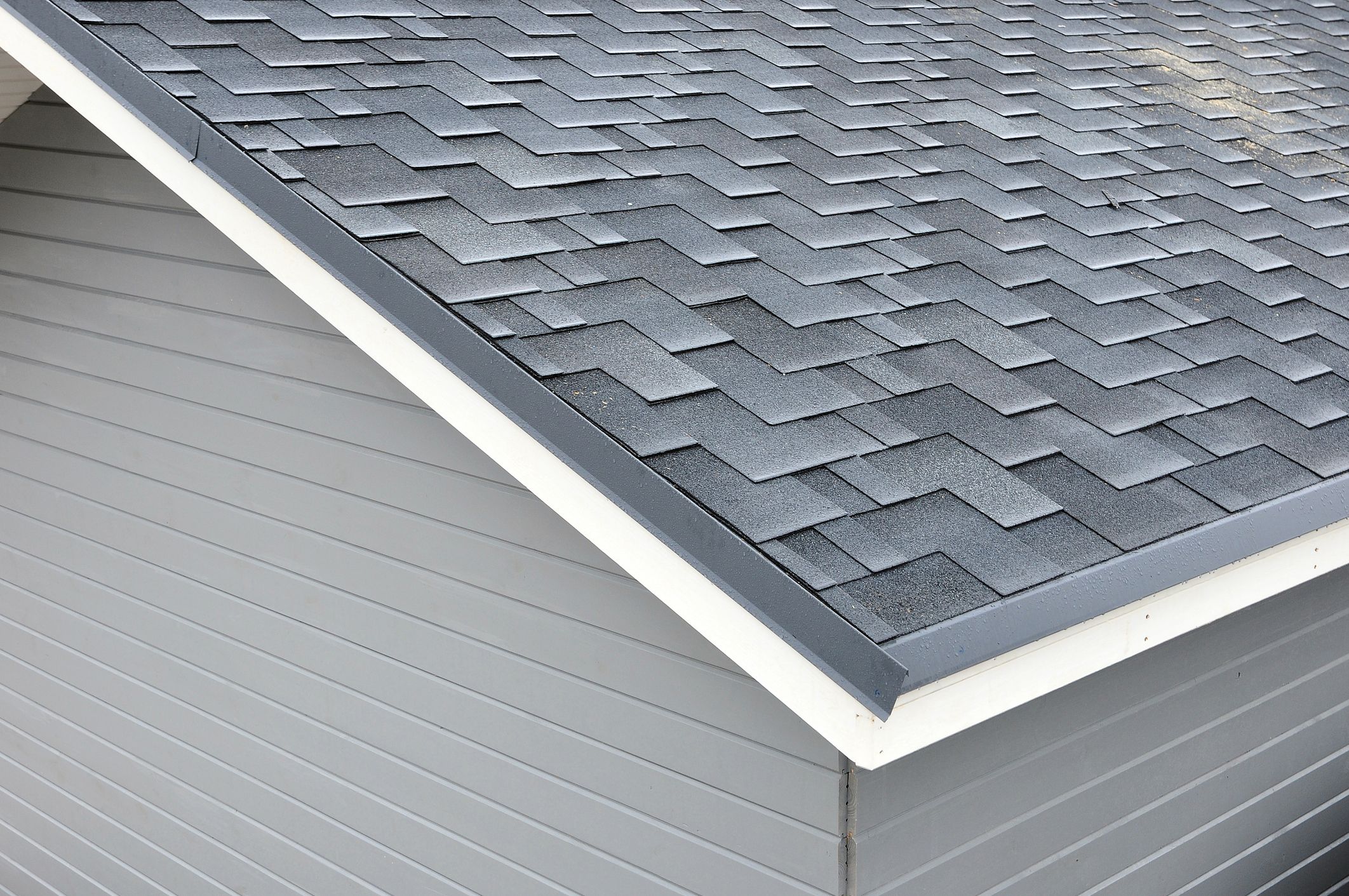
Roofers don’t quote per square foot. They quote per square — 100 square feet of roof. Architectural asphalt shingles run about $150 a square in material, and about $5.50 per square foot installed once labour is in.
Those two numbers describe the same roof and they aren’t the same measure. Understanding the difference is most of what makes a roofing quote readable.
Your roof is bigger than your house
A 2,000 square foot single-storey home does not have 2,000 square feet of roof. It has closer to 2,500 — about 25 squares.
The difference is pitch and overhang. A sloped roof covers more surface than the footprint beneath it, and the eaves extend past the walls. A reasonable working allowance is about 25% more roof than footprint.
Now stack that same 2,000 square feet onto two floors. The footprint halves, so the roof does too — roughly 1,560 square feet, or about 15.6 squares.
A two-storey house needs less roof than a single-storey house of the same size. That is the opposite of siding, where stacking floors increases wall area. Same house, two trades, opposite directions — which is why a whole-house exterior quote rarely scales the way people expect.
What’s under the shingles
A shingle roof, deck outward. Every layer is a separate line on the quote.
The shingles are the layer you can see and the layer everyone prices. The layers that decide whether the roof leaks are the underlayment and the flashing, and flashing in particular is where most leaks actually start — around chimneys, along walls, in the valleys where two roof planes meet.
A quote that itemises flashing is a quote from someone who has thought about your roof. One that only prices shingles has priced the easy part.
Material versus labour
Roofing installation labour runs $150 to $500 per square, typical $250. Architectural shingle material runs $100 to $250 a square, typical $150.
Put those together and on a typical architectural asphalt job, labour is worth more than the material. That ratio holds across asphalt grades: 3-tab material is cheaper, but the crew still has to strip the old roof, lay underlayment, cut flashing and shingle the field.
It’s why upgrading from 3-tab to architectural costs less than the material gap suggests. You’re paying an extra $50 a square for material on a job where labour is $250 a square either way.
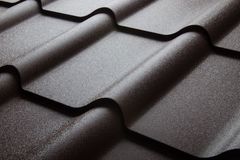
Metal is the exception. Its material range — $120 to $900 a square — is wider than every other roofing material combined, because “metal roof” covers everything from corrugated panels to standing seam copper. A metal quote without a specified profile and gauge isn’t really a quote.
What isn’t in the rate
Four things are priced separately and show up on most quotes.
Tear-off and disposal. The old roof has to come off and go somewhere.
Deck repair. Priced after tear-off, because nobody can see the deck before. This is the most common reason a roofing job lands above its estimate.
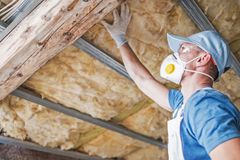
Ridge vent. $4 to $12 per linear foot, and worth having — attic heat shortens shingle life from underneath.
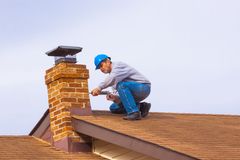
Chimney flashing. $500 to $1,800 as a project. If you have a chimney and the quote doesn’t mention flashing, ask.
Skylights are their own line at $1,500 to $4,500 each.
How long it takes
A typical asphalt re-roof. Weather stops the clock; nothing else usually does.
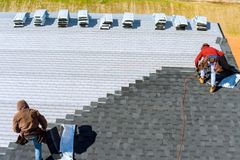
Most asphalt re-roofs are done in one to three days once the crew starts. Weather is the only thing that reliably stops the clock — a crew will not strip a roof it can’t dry in before rain.
From a rate to a number
The rates on this page are national and per square. What your roof costs depends on its area, its material and your market — the same job prices 14% below national in some ZIP codes and 23% above in others.
The roofing cost guide has modelled project totals for asphalt and metal by home size and storeys, plus a ZIP lookup for your market.