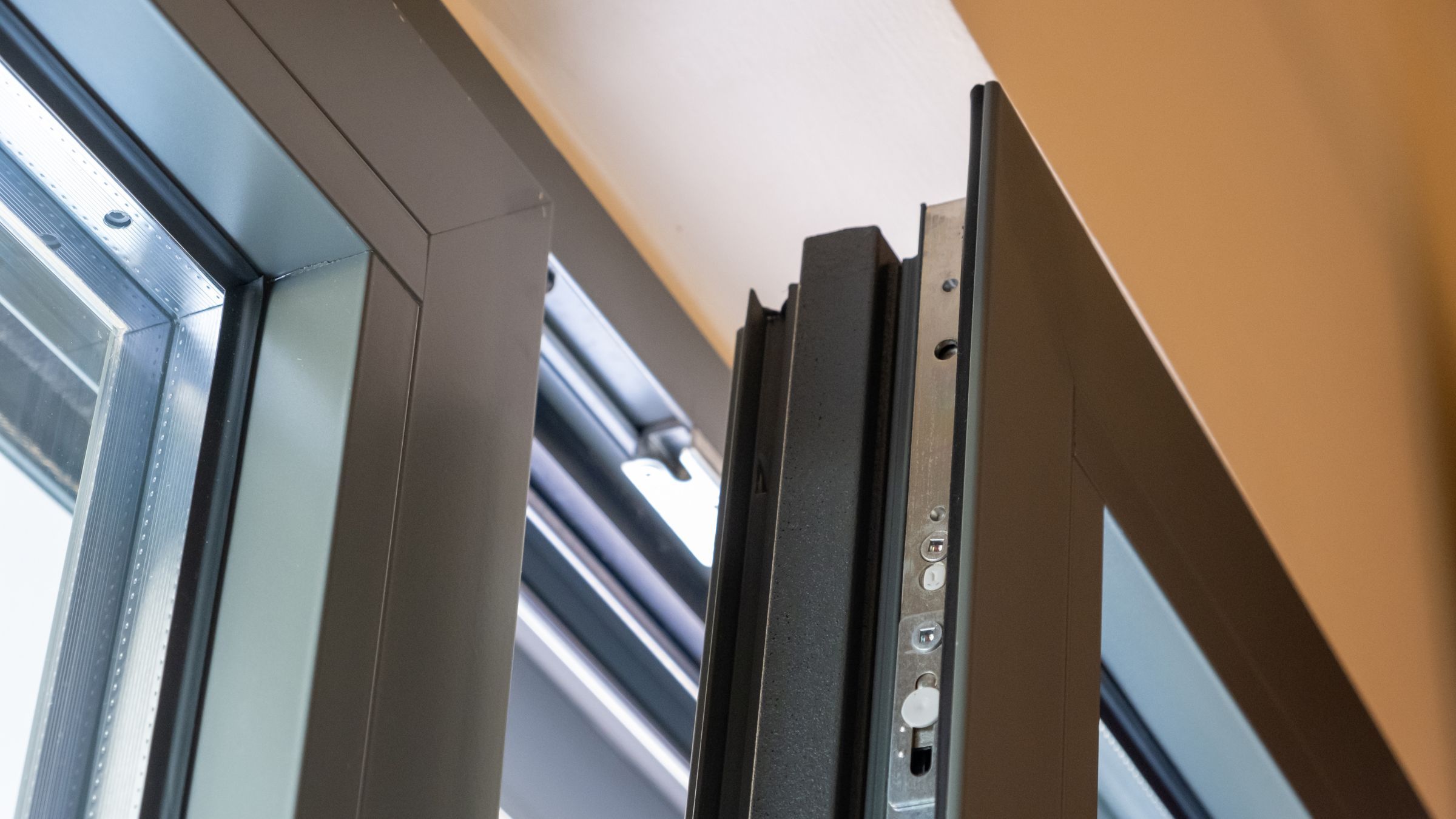
Four materials cover almost every replacement window sold: vinyl, fiberglass, aluminium and wood. They differ on price, upkeep, and — the one that decides most cases — how they handle temperature.
The comparison
| Vinyl | Fiberglass | Aluminium | Wood | |
|---|---|---|---|---|
| Installed, each | $350–$800 | $400–$1,500 | $200–$800 | $600–$2,000 |
| Made from | PVC, often with a metal stiffener | Glass fibre in polyester resin | Extruded aluminium | Timber, sometimes clad outside |
| Insulates | Well | Well | Poorly — metal conducts | Well |
| Movement with heat | Expands and contracts noticeably | Very little | Moderate | Moves with humidity |
| Maintenance | Essentially none | Essentially none | Watch for corrosion and condensation | Periodic painting or sealing |
| Can be painted | No | Yes | Factory finish | Yes |
Installed rates from the EstimationPro.AI construction cost dataset, 2026.
Vinyl: the default, and usually right
PVC frames, colour through the material, no painting ever. Vinyl arrived in volume in the 1970s and now dominates residential replacement for straightforward reasons: it insulates well, costs the least of the well-insulating materials, and asks nothing of you afterwards.
Two genuine limitations. It moves with temperature more than the others, which is why large vinyl units and very dark colours are less common — thermal movement is proportional to size and to how much heat the frame absorbs. And it can’t be repainted, so the colour you choose is permanent.
For most houses, in most climates, in standard sizes, vinyl is the answer and the others need a reason.
Fiberglass: vinyl’s expensive cousin
From a distance the two are indistinguishable. The difference is dimensional stability — fiberglass barely moves with temperature, which makes it the better choice for large openings and for climates with wide seasonal swings.
It can also be painted, so unlike vinyl the colour isn’t a permanent decision.
The trade-off is price: $400 to $1,500 against vinyl’s $350 to $800, and the upper end is where the difference really shows.
Aluminium: cheap, strong, and a poor insulator
Aluminium is the cheapest of the four and the strongest for its weight, which means slim frames and large glass area — the reason it persists in contemporary architecture and in commercial work.
The problem is that metal conducts. An aluminium frame moves heat between inside and outside far more readily than the other three, which shows up as condensation on the frame in cold weather and as a real energy penalty. Thermal breaks in the frame mitigate this; they don’t eliminate it.
In a mild climate where heating loads are low, aluminium is a reasonable choice. In a cold one it usually isn’t, however good the price looks.
Wood: the one that asks something of you
Wood insulates well, looks like nothing else, and can be shaped and finished to match a period house — which is often the whole reason to choose it.
It also needs painting or sealing periodically, and it moves with humidity rather than heat. Clad wood — timber inside, aluminium or vinyl outside — is the common compromise, keeping the interior appearance while removing most of the exterior maintenance.
At $600 to $2,000 installed it’s the most expensive of the four, and the premium buys appearance and repairability rather than performance.
On black frames
Black and dark-coloured frames have been fashionable for a decade and they carry one technical consideration worth knowing: dark surfaces absorb more heat, which means more thermal movement.
That’s a non-issue on fiberglass, minor on wood and aluminium, and the reason dark vinyl is less common — some manufacturers restrict dark colours to certain sizes, or use a capping layer rather than through-colour.
If you want black frames on large openings, fiberglass or clad wood is the lower-risk route.
How to choose
Standard openings, any climate, want it done and forgotten — vinyl.
Large openings, or big seasonal temperature swings, or you want dark colours — fiberglass.
Mild climate, slim sightlines matter, budget is tight — aluminium.
Period house where the windows are part of the architecture — wood or clad wood.
For what each costs across styles and quantities, see window replacement cost and the windows cost guide.