Most siding complaints are cosmetic. Fading, chalking, a panel that came loose in a storm — none of these mean the wall is in trouble, and none of them require a full replacement.
A smaller set of signs means water is already past the siding. Those are the ones worth acting on, and they look less dramatic than the cosmetic problems do.
The layer that decides it
Where a siding failure actually matters. The barrier is the layer that decides whether a crack is cosmetic or expensive.
Siding is a rain screen. It sheds most of the water, but the weather barrier behind it is what actually keeps the wall dry. A cracked panel over an intact barrier is a cosmetic problem. The same crack over a compromised barrier is how sheathing rots.
This is why a visual inspection from the driveway tells you less than you’d think, and why the serious findings are usually indirect.
Signs that mean replace
| What you see | What it usually means |
|---|---|
| Soft or spongy wall | Sheathing has taken water. The most serious finding on this list. |
| Interior staining or bubbling paint | Water is getting through on an exterior wall. |
| Loose panels across several walls | Systemic — fastening or expansion issue, not local damage. |
| Visible gaps at corners and openings | Trim has failed. These are the entry points that matter. |
| Warping or buckling in runs | Often an installation fault — nailed too tight to expand. |
| Rising heating or cooling costs | Worth checking alongside the wall, not on its own. |
Signs that don’t
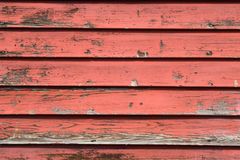
Fading. Normal, universal, and worst on south and west elevations. Dark colours fade fastest. It is not a structural signal, and one wall looking older than the others is expected.
Chalking. The powdery residue on older vinyl is surface oxidation. It washes off and tells you nothing about the wall.
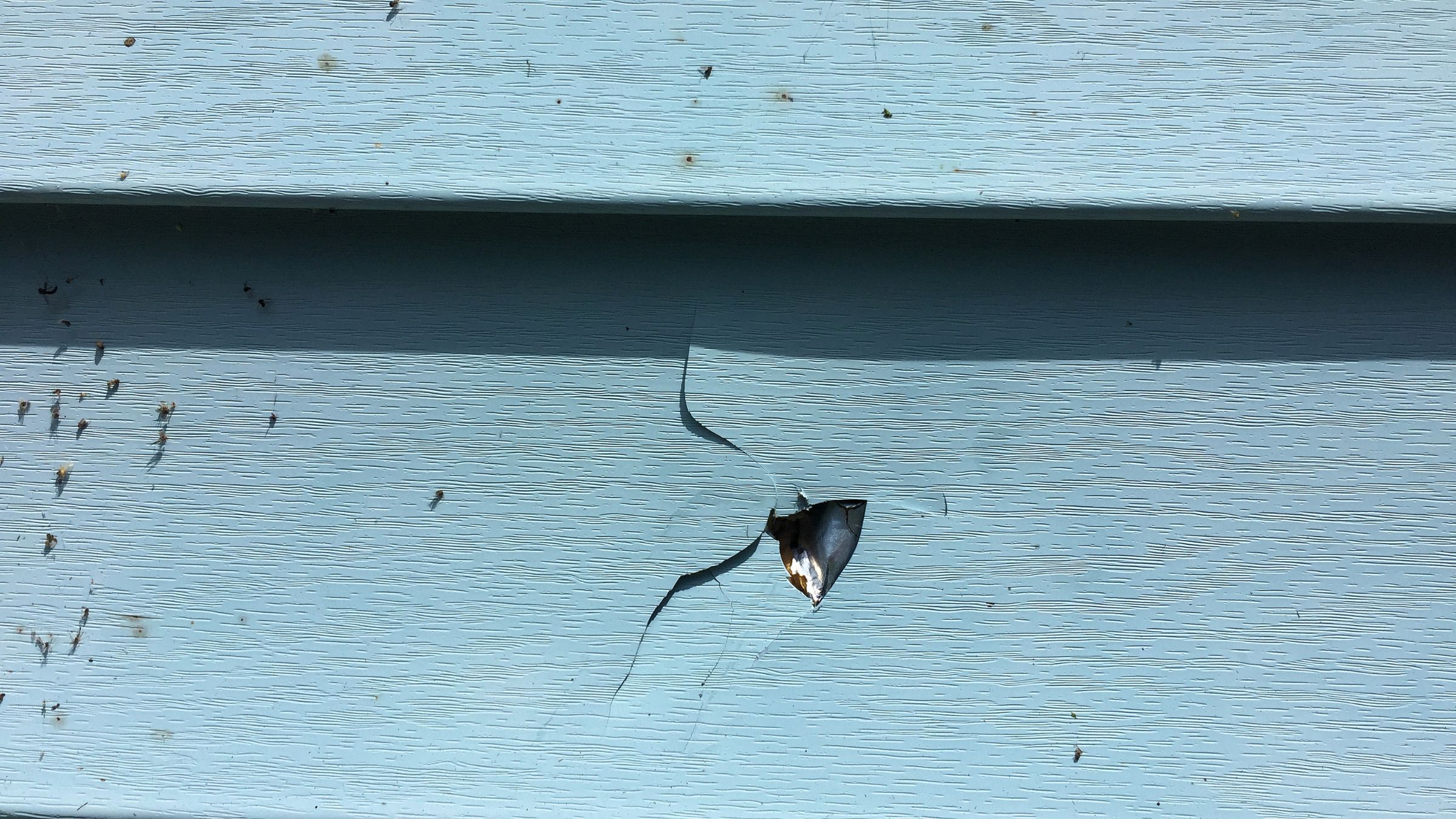
A few cracked panels after a storm. Local impact damage. A repair, not a replacement — unless the pattern is on every elevation.
Dated colour or profile. A completely legitimate reason to replace. Just not an urgent one, and worth separating from the findings above when you’re deciding how quickly to act.
The check worth doing yourself
Walk the perimeter after a heavy rain, and press.
Push firmly on the wall in a few places on each elevation, especially low on the wall, below windows, and near corners. Sound sheathing feels solid. If your hand moves the wall or the surface feels spongy, that’s the finding that changes the conversation — and it’s the one you cannot see from the street.
Then look up at the corners and around window trim. Gaps there are how water gets behind an otherwise healthy wall.
Why timing matters more than it seems
Sheathing repair is the one line item nobody can quote in advance, because rot behind failed siding isn’t visible until the siding is gone. It is the most common reason a siding project comes in above its estimate.
A wall caught while the barrier is still doing its job is a siding job. The same wall two years later can be a siding job plus framing repair. The difference between those two is usually a season or two of an unnoticed gap at a corner.
For what a replacement costs by material, home size and market, see the siding cost guide. For what the work involves and what drives the price, see what you’re actually paying for.