In a hot climate, the roof does two jobs: it keeps water out, and it decides how much solar heat ends up in your attic. Most roofing advice covers the first and hand-waves the second.
The short version: surface colour and reflectivity matter more than the material itself, and ventilation matters more than either.
What actually reduces heat gain
Reflectivity. A light-coloured or reflective surface sends solar radiation back rather than absorbing it. This is the largest single lever, and it applies within every material category — a light asphalt shingle outperforms a dark one, and a reflective-coated metal roof outperforms an uncoated one.
Thermal mass. Heavy materials like clay and concrete tile absorb heat slowly during the day and release it at night, which flattens the peak rather than eliminating it.
Air gap. Tile and some metal systems sit on battens or furring, leaving a ventilated gap between the roof surface and the deck. That gap does real work, and it’s a large part of why tile roofs perform well in heat.
Attic ventilation. Ridge and soffit vents move hot air out of the attic regardless of what’s above them. A cheap roof with good ventilation often beats an expensive one without it.
The order matters. Choosing an expensive material and then skipping the ventilation is the common and expensive mistake.
The materials
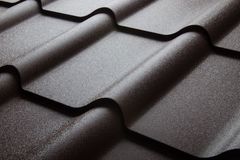
Metal reflects well, particularly with a reflective coating, and it sheds heat quickly rather than storing it. It’s non-combustible, which matters in wildfire-prone regions. Its cost range is the widest of any roofing material — $4 to $30 per square foot installed — because “metal” spans corrugated panels to standing seam, so a quote without a specified profile and gauge isn’t really a quote.
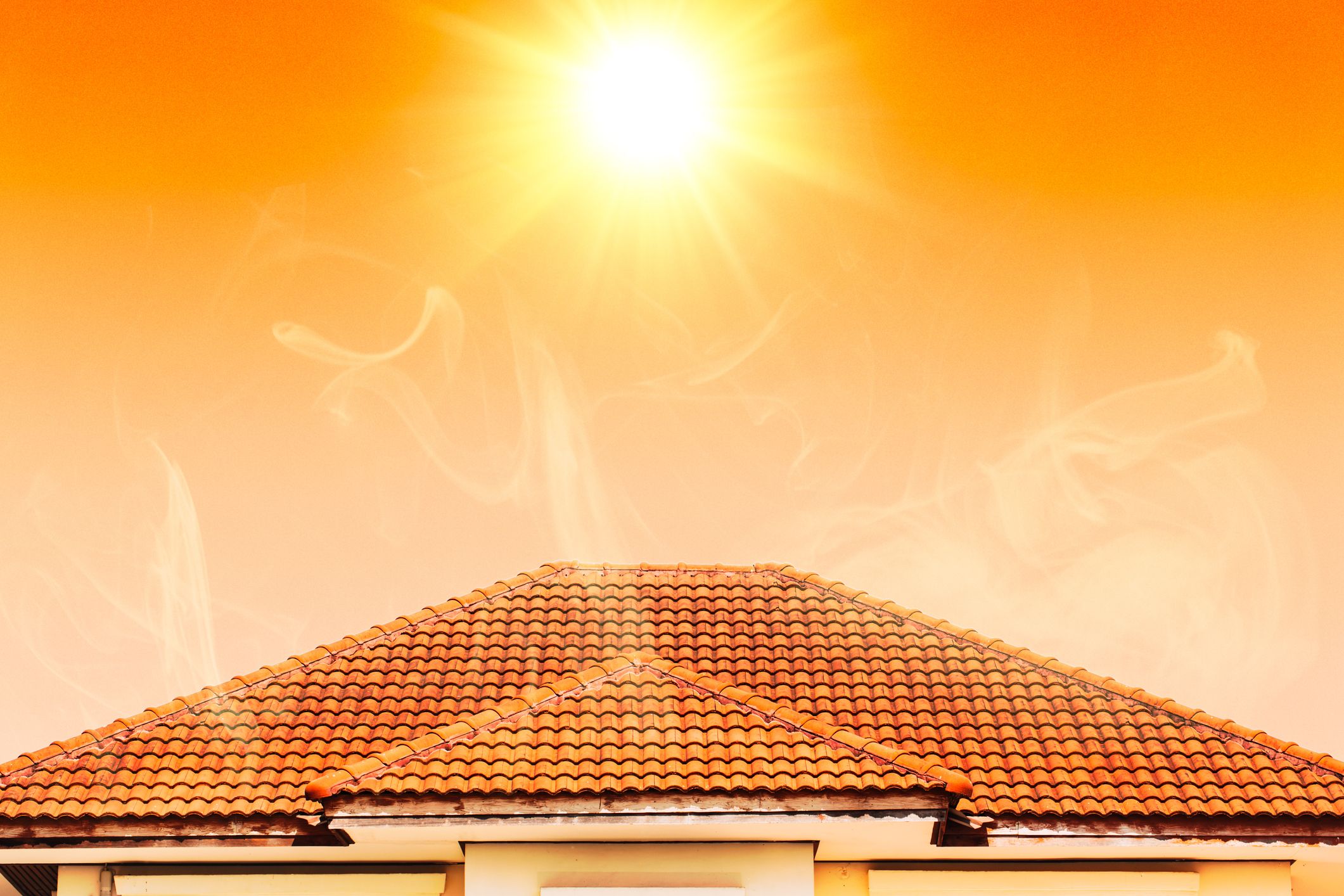
Clay and concrete tile are the traditional hot-climate answer for good reason: thermal mass plus an installed air gap. They’re non-combustible and extremely durable. The trade-off is weight — a tile roof often requires structural reinforcement that a shingle roof does not, and that cost is separate from the roofing itself.
Slate is stone, so it’s impervious to heat, sun and fire, and it lasts longer than anything else on this list. It is also heavy and expensive, and the same structural question applies.
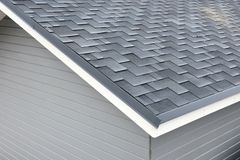
Architectural asphalt shingles are the default across most of the US including hot markets, and in a light colour with a reflective granule they perform respectably. Heat does shorten asphalt life relative to a temperate climate, and dark shingles in intense sun age fastest.
3-tab asphalt is the cheapest option and the least suited to sustained heat. It’s thinner, less wind-rated, and in a hot market the saving against architectural is small enough that it rarely makes sense.
What the roof can’t fix
Two things get attributed to roofing that aren’t roofing.
Insufficient attic ventilation. If hot air has nowhere to go, it sits under the deck and radiates down into the living space regardless of the surface above.
Insulation at the ceiling plane. The roof controls how much heat enters the attic; insulation controls how much of it reaches you. They’re different problems and both need answering.
A reflective roof over a poorly ventilated, under-insulated attic will disappoint. That’s usually what’s happening when someone reports that an expensive roof “didn’t make any difference.”
Choosing
If the constraint is budget, light-coloured architectural asphalt with proper ridge and soffit ventilation is the sensible answer and it isn’t a compromise.
If you’re staying long-term and the structure supports it, tile is the material the climate has been selecting for centuries, and the air gap under it is doing more work than the tile.
If you want durability and fire resistance without the weight, metal — specified properly, with a reflective finish.
Whichever you choose, spend on the ventilation first. It is the cheapest part of the assembly and the part most likely to be underspecified.
For what these materials cost by home size and market, see the roofing cost guide, or what roofers are actually quoting for the per-square rates.