Are Walk-In Showers Cold? A Pro Guide to Doorless Shower Comfort
Are walk-in and doorless shower layouts actually cold, or is that just what happens when the shower isn’t planned correctly? If you’ve ever tried an open shower and felt a draft, you might assume showers cold is inevitable. The truth is simpler: a shower can feel chilly when the room loses heat too fast, air moves the wrong direction, or the floor stays cool and wet.
This article is worth reading if you love the idea of the clean, modern look of a doorless shower but want it to feel comfortable year-round. You’ll learn what causes that “cold” feeling, the key factors to consider, and the most practical ways to keep an open shower feeling bath warm without sacrificing style.
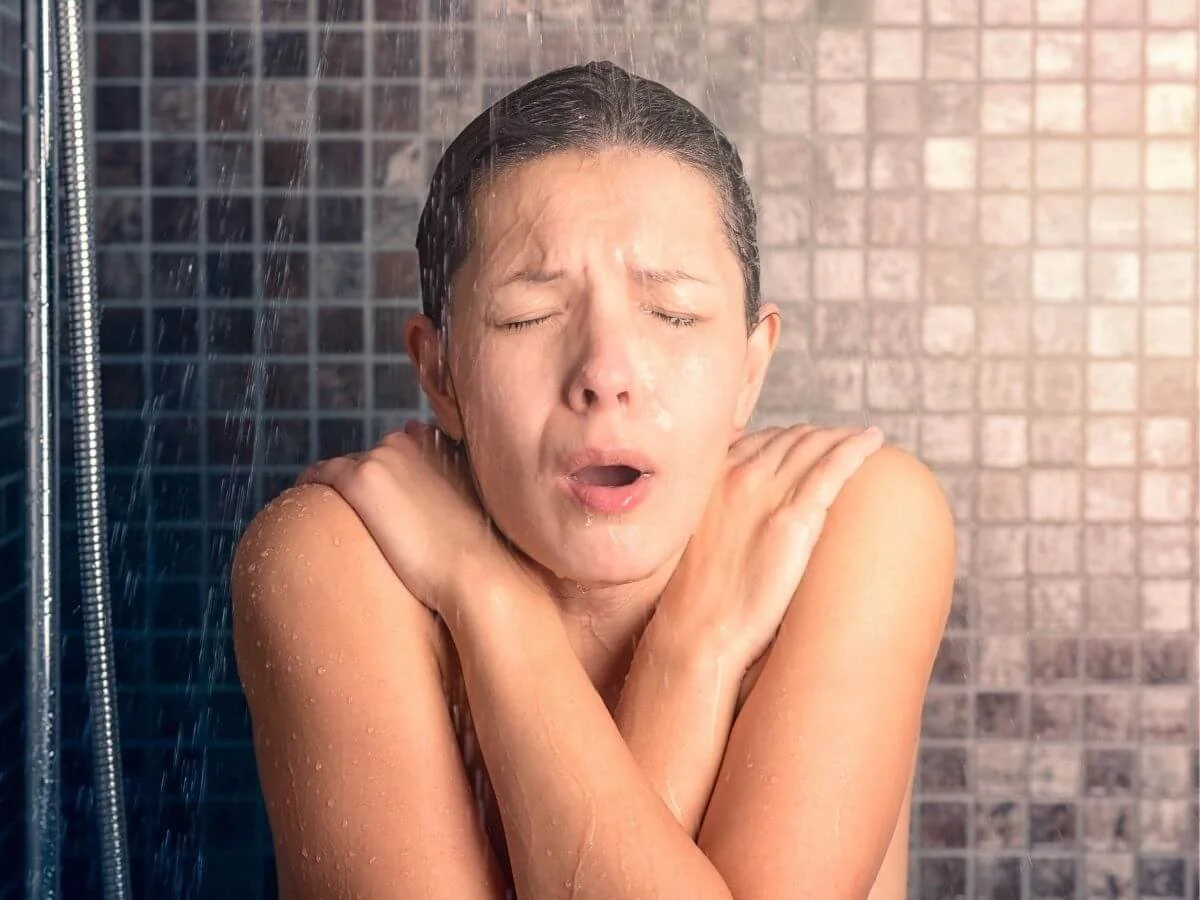
Feeling “showers cold” in a doorless shower is usually an airflow and heat issue—not your water temperature.
Shower comfort 101: why an open shower can feel cold
A shower feels cold when warm air can’t stay near your body. In a shower with a door, steam and warmth linger in the enclosure. With an open shower, the air in the whole bathroom matters—drafts, vent placement, and even how quickly the room warms up.
If the room is cool, your skin loses warmth faster between sprays, especially when you step slightly out of the water. That’s why some people say a doorless shower is “always chilly,” even when the water is fine. The good news: most comfort issues come from airflow and surfaces, not the concept itself.
Doorless: airflow, entry direction, and the one-draft problem
A doorless shower is most likely to feel cold when the entry lines up with airflow—like HVAC air passing through, or a vent pulling air across you. If air is moving from one side of the bathroom to the other, the experience can be the opposite of spa-like.
A simple way to reduce drafts is to angle the opening so it’s not facing the room’s main air path. You can also put the showering “standing zone” deeper inside the shower area, so your body isn’t right at the opening. This keeps the warmest air where you need it and reduces the sensation of cool moving air.
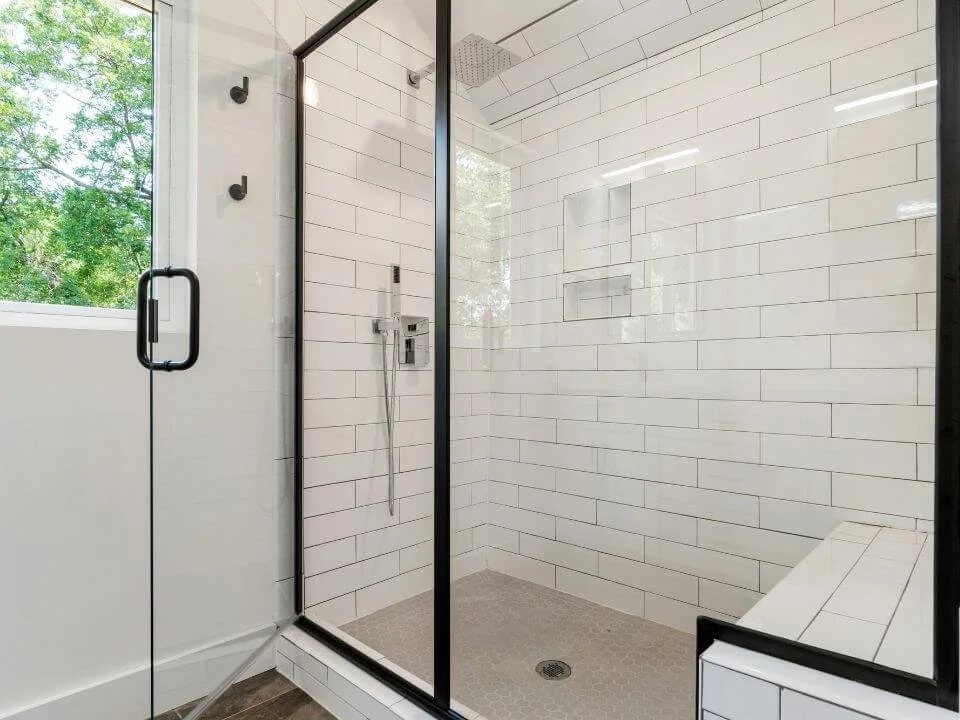
Cold tile and a wet bathroom floor can make a shower feel colder—radiant underfloor heating and smart glass placement help keep it warm.
Showers cold surfaces: bathroom floor temperature matters more than you think
People often blame the shower, but the floor is frequently the real culprit. Cold tile underfoot (especially when it’s wet) can make your whole bathroom feel colder, even if the water is great. The same goes for a wall that stays cool because it’s on an exterior side of the home.
If you want the biggest comfort improvement, consider underfloor heating. Radiant underfloor heating helps the floor feel comfortable and can make the whole room feel warmer. It also encourages puddles to dry faster, which improves the overall feel after the shower ends.
Also pay attention to slope and the drain. If the floor isn’t pitched correctly toward the drain, you’ll get lingering water that keeps the surface cold and makes cleanup harder.
Door choices: do you need a door to keep the shower warm?
You don’t need a full door to fix a chilly shower. In many bathroom layouts, a partial barrier solves the comfort issue without turning the space into a full enclosure. Think of it as “open, but protected.”
A single fixed panel of glass can block airflow while keeping the room visually open. Another option is a screen placed where it interrupts drafts and overspray. If you like flexibility, a shower curtain can be an inexpensive test: try it for a week and see if comfort improves. If it works, you’ll know the draft (not the water) was the problem.
For some homes, a hybrid approach is the good middle ground: keep the open shower look, but add one smart barrier and one smart airflow adjustment.
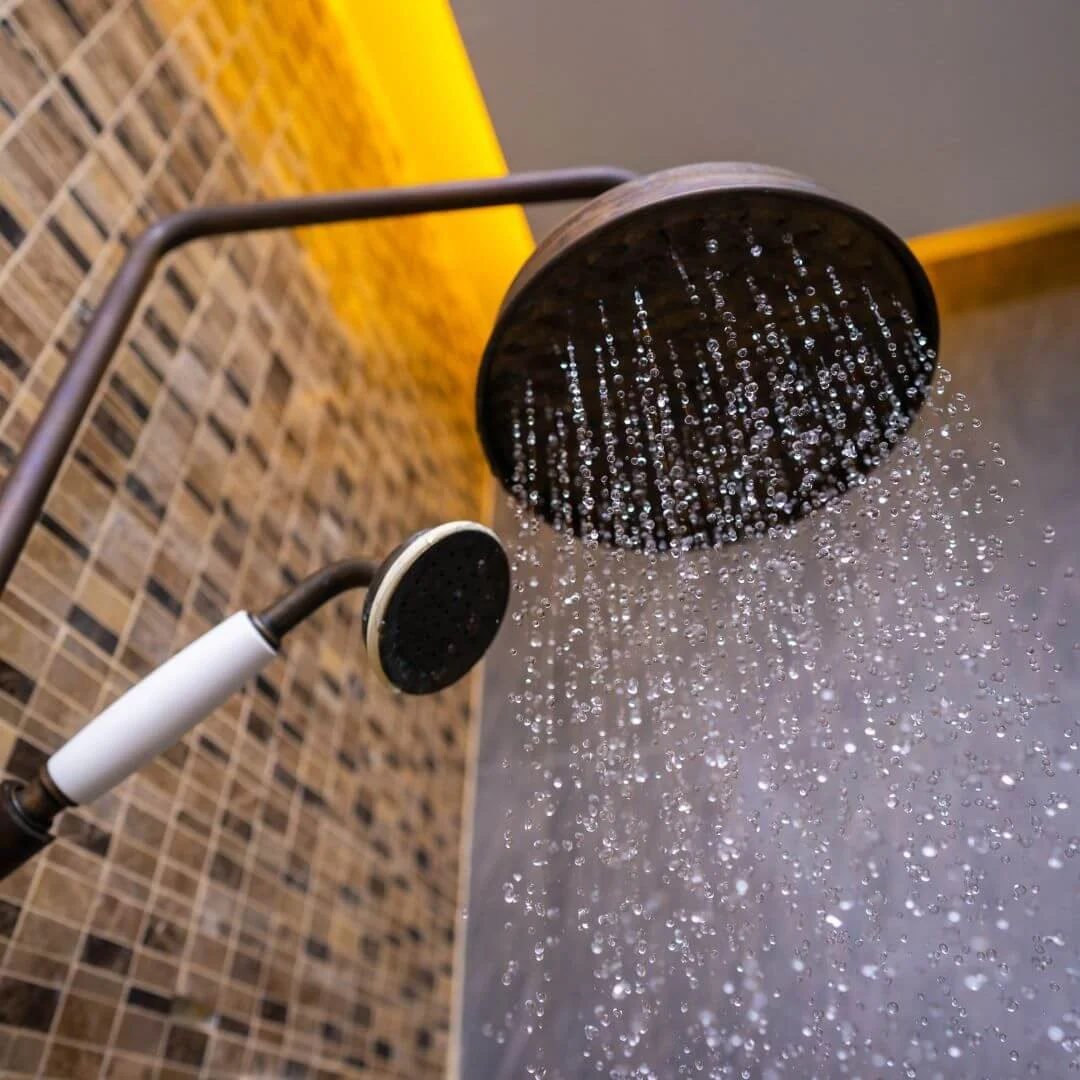
Shower head placement affects comfort—better coverage and height can keep a doorless shower from feeling cold.
Shower head placement: coverage, height, and comfort
Your shower head placement can make or break comfort in an open shower. If the spray is positioned too close to the opening, your body is more exposed to room air and you’ll feel colder during normal movement.
Place the shower head so you can stand fully in the stream while being shielded from drafts by a wall or panel. Small adjustments—like changing the spray degree, or selecting a pattern with better coverage—can make the experience feel more consistent from start to finish.
Also consider the height and where the water hits. When the water is set to hot and hits your core consistently, you feel stable warmth even if the bathroom air isn’t perfect.
Glass and layout: keeping the modern look without feeling cold
You can absolutely keep the design clean and still improve comfort. A short return wall, a partial glass panel, or a “tucked” layout is often enough. The goal is to stop the room from pulling warm air away from you as you shower.
If you want an open shower that still feels cozy, make the standing zone deeper and use glass strategically—one panel, not a full enclosure. This prevents drafts while maintaining the open feel. A semi-open layout can look high-end and function better in real life.
When the layout is planned properly, you get a smooth, modern look without the “why is this chilly?” surprise.
Factors to consider: ceiling, window, insulation, and climate
There are many factors that determine whether a doorless shower feels cold, but these four are huge: ceiling height, a nearby window, insulation, and local climate.
Tall rooms need more heat to feel comfortable at body level. A drafty window can drop temperature fast—especially in winter. Poor insulation in an exterior wall can make surfaces feel cold even when the air is fine. And in a colder climate, every draft matters more.
If your home has an ensuite with a large volume of air, plan for enough heat output. If you can’t change the room, consider a simple alternative: add a partial panel, adjust airflow, and warm the floor. That combination often makes the biggest difference.
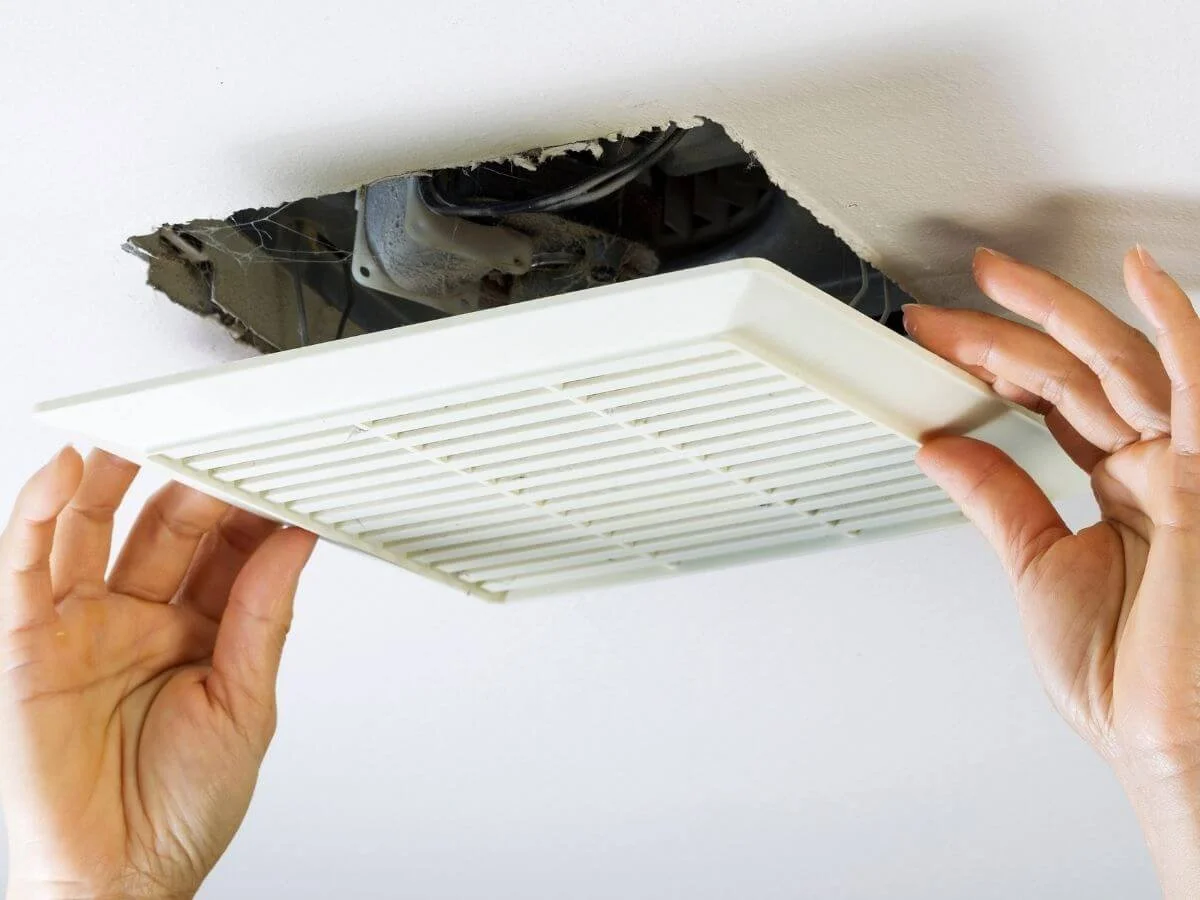
A strong fan or exhaust can make an open shower feel cold—balance ventilation and heat so the bathroom stays warm and dry.
Heat + ventilation: fan, exhaust, and staying warm without trapping moisture
Ventilation is necessary, but it can make an open shower feel cold if it’s too aggressive. A strong fan and exhaust path can pull warm air away from your body while you’re showering. That’s why some setups feel drafty even when everything “looks right.”
The fix isn’t to skip ventilation—it’s to use it wisely. Run the fan on a timer after you finish, or adjust the airflow so it doesn’t pull across the opening. A professional can also help you choose a ventilation setup that keeps the space dry without stripping warmth during the shower itself.
If your room tends to feel cool, adding controlled heat plus better insulation is usually more effective than trying to “seal everything up.”
Splash control: how to stop water from going everywhere
Comfort isn’t only temperature—water behavior matters. Too much splash can make the bathroom floor wet, slippery, and slow to dry, which makes the room feel colder and harder to manage.
To stop water from escaping, guide the spray inward and shape the floor toward the drain. A partial panel can reduce splash dramatically, and a small change in wall or curb geometry can keep water from going everywhere. If you’re rebuilding, the goal is to build the showering zone so water stays where it belongs.
If you already have overspray, you can often fix it with a panel, a different spray pattern, or a small layout tweak—no full rebuild required.

Keep a doorless shower clean with a quick squeegee and the right cleaner—small habits help the bathroom stay dry and fresh.
Clean and maintenance: keeping a doorless shower fresh
One advantage of doorless layouts is that they can be easier to clean than a fully enclosed setup. Fewer tracks and seals means fewer spots for buildup. Still, surface choices matter.
Choose finishes that clean easily, and don’t underestimate grout planning. Larger formats reduce grout lines, and a consistent slope helps prevent puddles that invite residue. A quick wipe with a cleaner and consistent ventilation keeps the area feeling fresh.
If you want a practical routine: squeegee your panel (if you add one), hang a towel so it dries fast, and keep airflow moving after the shower ends so the room dries out. That’s a simple way to protect comfort and keep the bathroom from feeling damp.
Pro checklist: a good plan to renovate for warmth and comfort
A pro approach is to think of comfort as a system: airflow, surfaces, and water control. If you’re planning to renovate, here’s a good checklist:
Confirm where air moves through the room, then adjust the opening and standing zone accordingly.
Warm the floor (radiant if possible), and confirm slope to the drain is done correctly.
Add one barrier if needed (panel or glass) instead of a full door.
Use enough heat for the room’s volume, especially with tall ceilings.
Improve insulation on exterior surfaces when you have the walls open.
This approach helps generate a consistently comfortable shower experience without compromising the look. It’s not about making the room sealed—it’s about making the comfort predictable.
One extra note: don’t chase extra-long length in a “hallway style” layout unless your room supports it. Long corridors can pull air and create drafts like a tunnel. If your layout pushes you that way, consider a switch in entry direction or a partial panel to break airflow.
And yes—some of this depends on your home. Think of it like a pool: open air can feel amazing, but comfort depends on shelter and temperature control.