Best & Cheapest Time of Year to Replace a Roof: When to Replace Your Roof
If you’re asking what time of year is cheapest to replace roof, you’re already thinking like a savvy homeowner (or a smart marketer planning a seasonal campaign). The truth is, the best time and cheapest time to replace a roof depends on a mix of weather, local demand, material availability, and how urgent your roof situation is.
In this guide, you’ll learn the time of year to replace a roof for the smoothest installs, how to spot the year to replace your roof, and what timing can do to your roof replacement budget—so you can plan a replacement that protects your home and your wallet.
Roof replacement: what changes by season, and why does it matter?
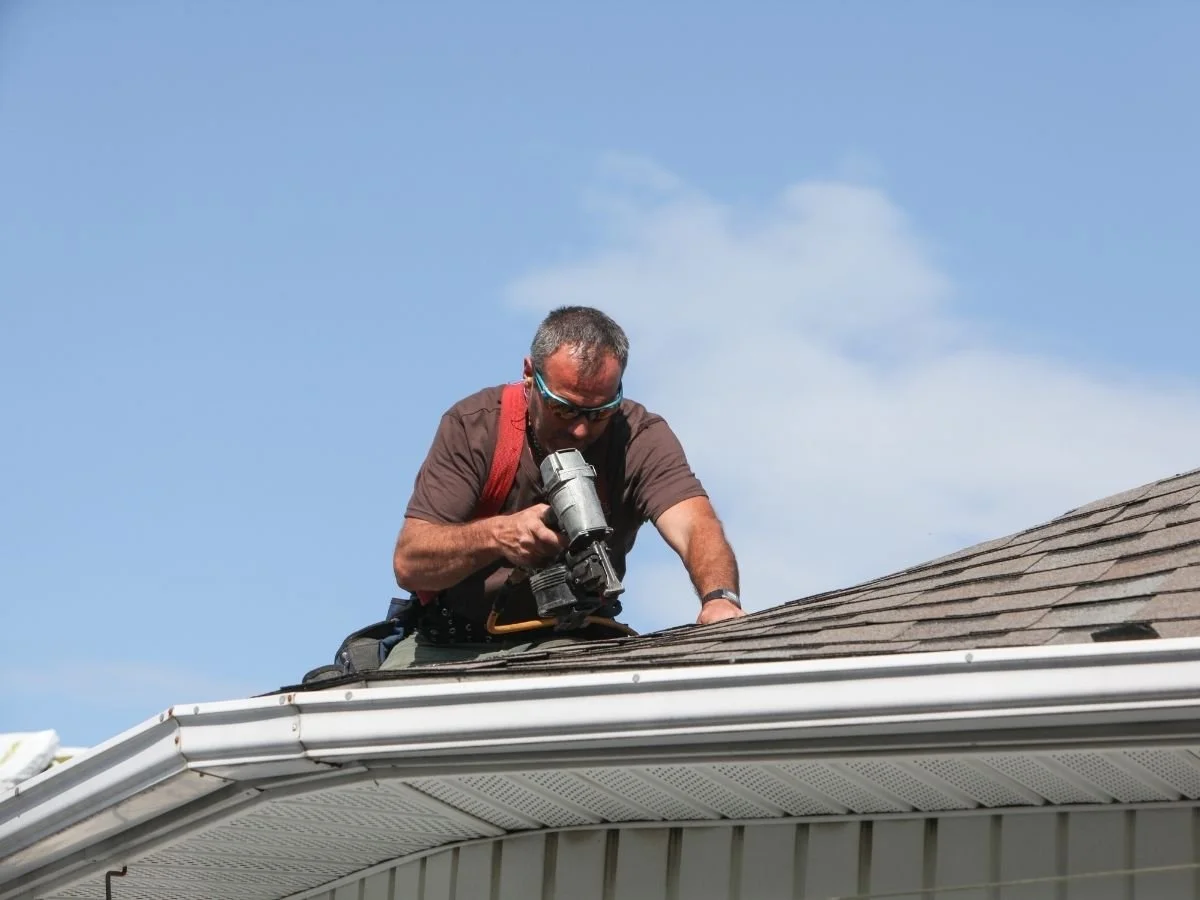
Roof replacement costs and timing can shift by season—get a free estimate before peak demand hits.
A roof replacement isn’t like ordering a product online—you’re coordinating crews, weather windows, inspections, and the roofing material you choose. The roofing industry runs on seasonality, and that seasonality affects everything from labor availability to how quickly a roofing service can start your roofing project.
In mild weather, crews can move faster, adhesives and sealants set predictably, and installing a roof tends to be more straightforward. In extreme heat, cold, or wet conditions, roof work can slow down or become riskier—especially on steeper slopes or complex roof structure layouts.
This is why the “best time” question has two answers: the best time for crews (smooth installs) and the cheapest time (when demand is lower). Your job is to find the overlap—an ideal time that fits your local climate and your budget.
What time of year to replace a roof is the cheapest time—really?
So, what’s the cheapest time to replace a roof? In many markets, the cheapest time of year is when fewer homeowners choose to replace their roofs—often late winter or very early spring, and sometimes late fall, depending on climate and storm patterns. That said, the usually the cheapest window varies by region because the conditions for roof work vary.
Here’s the key idea: pricing pressure comes from demand. When everyone wants a new roof at the same time, you’re competing for the same crews, the same delivery slots, and the same installation calendar. That’s when quotes can creep up and schedules stretch out. In contrast, during slower times of the year, some contractors may offer better availability, faster start dates, or promotions.
However, don’t chase the cheapest option if it forces you into unsafe timing. If you have an urgent roof problem—active leaks, widespread shingle failure, or structural issues—the right move is often to act now. A delayed roof replacement project can create interior damage that costs more than any off-season savings.
Best time of year vs. “best time” for your roof replacement

A quick roof inspection helps confirm the best time to replace your roof—and avoid surprise replacement costs.
People love absolutes: “fall is the best time,” “spring is always better,” and so on. While fall is the best time to replace in many regions because temperatures are moderate and rain is less frequent, the best time of year for you depends on your area’s weather, your contractor’s calendar, and the current state of your current roof.
If you live in a region with heavy snow or frequent freeze/thaw cycles, a roof in the winter replacement can be possible—but it’s more schedule-sensitive, and material handling can be trickier. If you’re in a hot climate, summer installs can happen, but crews may start earlier in the day and pace work to stay safe.
The most reliable approach is knowing the best time for your zip code and your type of roof. In other words: the best time is when you have stable weather, experienced crews available, and enough lead time to plan properly—so your roof at the right time becomes a predictable project instead of a stressful scramble.
Roof inspection: how to tell if it’s time to replace your roof
Before you decide the time to replace your roof, start with a professional roof inspection (and yes, this matters even if you think you “just need a few repairs”). A good inspection clarifies whether you need a full roof replacement or a targeted roof repair—and it helps you identify the need for a roof replacement before damage spreads.
Common signs it may be the year to replace your roof include curling or missing shingles, granule loss, soft spots, recurring leaks, and visible sagging. Age matters too—many asphalt shingles have a typical service life range, but sun exposure, ventilation, and storm history can shorten it.
If you’re unsure, remember this: replacing earlier (before the failure becomes catastrophic) often gives you more scheduling flexibility. When you can choose your window, you’re more likely to land an affordable time and avoid emergency pricing.
Roof replacement costs: what affects price besides timing?
Yes, timing matters—but roof replacement costs are driven by multiple factors. Your cost of roof replacement depends on square footage, pitch, tear-off complexity, decking repairs, ventilation upgrades, and local labor rates. Even the “simple” stuff matters, like disposal and delivery access.
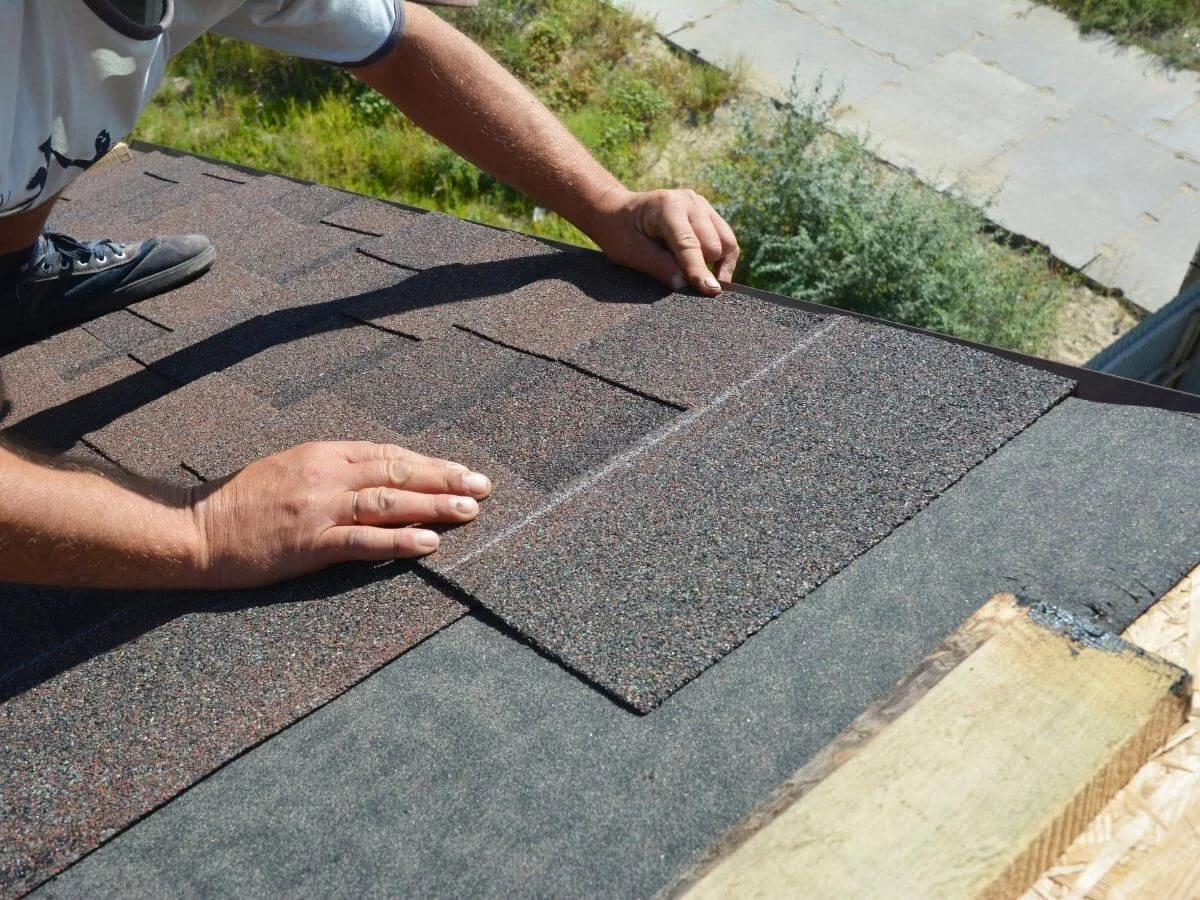
Roof replacement costs depend on your roofing material, roof size, and complexity—shingles are just one part of the price.
Then there’s materials: the roofing material you pick (and the roofing material you choose) can change costs dramatically. Basic shingle systems are generally more budget-friendly than premium architectural lines or specialty products. Add complexity—chimneys, skylights, valleys, and multiple ridges—and costs for roofing rise because labor time increases.
Finally, region and demand shape replacement costs. When your area is in high demand—after storms, during remodel season, or during local building booms—roofing costs can climb. This is why planning around seasonality can help, even if it doesn’t guarantee the lowest price.
Roofing material choices: shingles, asphalt shingles, and scheduling your new roof
For many homes, asphalt shingles remain the go-to choice because they balance performance, aesthetics, and cost. But even within that category, you’ll choose between different grades, wind ratings, and warranty tiers. A small upgrade in material can pay off in longevity and storm resistance—especially if your region gets high winds or hail.
Your material choice also affects timing. Some materials require stricter install conditions, and certain products may have longer lead times during busy periods. If you’re planning a roof installation during high-demand weeks, supply delays can push your project back—especially if your roofing project needs specialty colors or matching components.
A practical strategy: pick your material early, confirm availability, and then lock your install window. That’s how you get your new roof without last-minute changes that disrupt the schedule.
Schedule a roof replacement: how far ahead should you plan?
If you can, schedule a roof replacement before you’re in crisis mode. Many homeowners wait until leaks worsen, then try to book crews during the busiest stretch of the year. That’s when timelines get tight and options narrow.
As a rule of thumb, start gathering quotes 4–8 weeks before your target window—longer in the peak season. If you’re aiming for the shoulder seasons, you may have more flexibility, and some roofing companies can fit you in sooner.
When you schedule a roof, ask direct questions: What’s the estimated start date? How do weather delays work? Who’s the on-site lead? How do they protect landscaping and clean up nails? These details separate a smooth replacement from a stressful one—especially for larger home improvement projects.
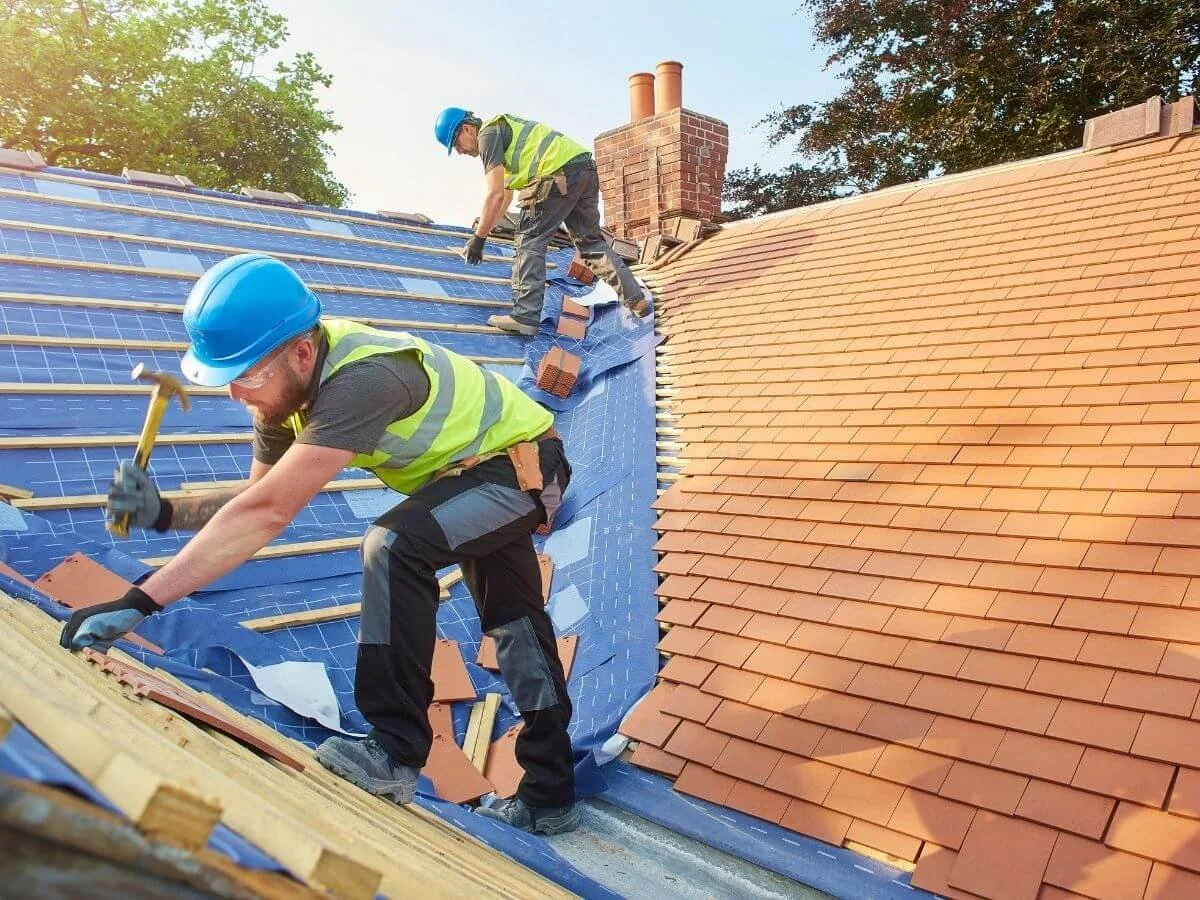
Peak roofing season can raise replacement costs—booking early (or off-season) can help you save.
Roofing season and peak season: how demand impacts replacement costs
Every market has a roofing season—the months when demand spikes and crews are booked solid. In many places, late spring through early fall becomes the default season for roof replacements, with a rush after storms and before winter.
During peak season, some contractors raise prices, and others simply become more selective. That doesn’t mean you can’t get a fair deal—just that you’ll want to compare multiple quotes and evaluate each scope carefully. The risk in peak season isn’t just price—it’s quality. When demand is high, rushed timelines can lead to shortcuts. You want favorable conditions for roof replacement and a team that won’t cut corners.
If you’re planning ahead, one of the best times to book is just before the rush ramps up or right after it eases. That timing often helps you secure a good crew without paying “everyone wants it now” rates.
Save on roof replacement: practical ways to lower your roofing costs
If you’re trying to save on roof replacement, timing is one lever—but it’s not the only one. Here are the biggest practical moves:
First, get apples-to-apples quotes. Some estimates look lower because they omit key items (like ventilation, underlayment upgrades, flashing replacement, or decking allowances). Make sure each proposal clearly lists materials, tear-off, disposal, and warranty terms so you can compare true replacement costs.
Second, consider scheduling flexibility. If you can give a contractor a wider installation window, they may be able to slot you between jobs—especially during slower weeks—without compromising quality.
Third, be strategic with scope. If your roof can help by allowing only small repairs, great—but if multiple problem areas exist, it can be smarter to proceed with full replacement rather than chasing patchwork that repeats every season. Ultimately, the “best time for roof replacement” is when you can plan calmly instead of reacting.
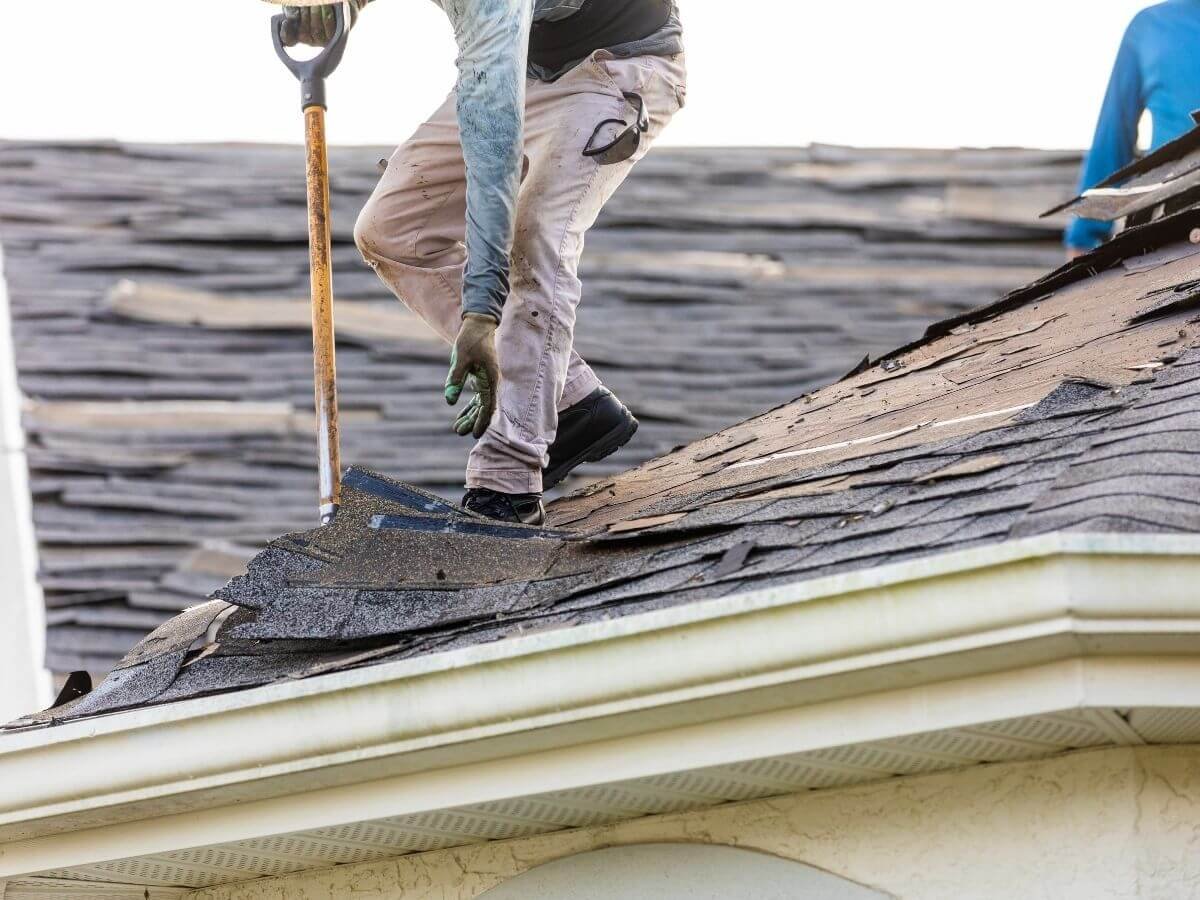
Choosing the right roofing contractor matters as much as the shingles—quality installation protects your roof for years.
Choosing the right roofing and the right roofing contractor for a quality roof
Choosing the right roofing isn’t just about picking shingles—it’s about picking the people who will install them. A good roofing contractor will walk you through the understanding roof replacement basics, document the scope, and explain why they’re recommending a certain approach for your roof and your climate.
Ask about licensing and insurance, manufacturer certifications, crew experience, and who handles permits. Ask for photos of past installs. Ask about ventilation design and how they address flashing details. These specifics matter more than a slick sales pitch.
And don’t underestimate communication. The best contractors set expectations clearly: what day materials arrive, what time the crew starts, how they protect your property, and what “done” looks like. That’s how you get a quality roof that performs for years—and why pick the best team, not just the lowest price.
If you’re a marketing leader at a roofing or home improvement brand, timing content like this can be a powerful top-of-funnel asset. When your audience is searching “what time of year is cheapest to replace roof,” they’re actively planning—and that intent can convert well into calls, forms, and booked appointments.
Key takeaways: what to remember
The cheapest time to replace a roof is often during slower demand periods, but it varies by region and weather.
The best time is when you have stable conditions, an available crew, and time to plan—so you can replace your roof without stress.
A professional roof inspection helps confirm whether you need a full roof replacement or targeted repairs.
Roof replacement costs depend on size, pitch, tear-off complexity, material choice, and local demand—not just seasonality.
Plan early so you can schedule a roof replacement on your terms, avoid peak season pressure, and protect long-term quality.