Choosing a Shower Door: Design, Smooth Function, and the Right Fit
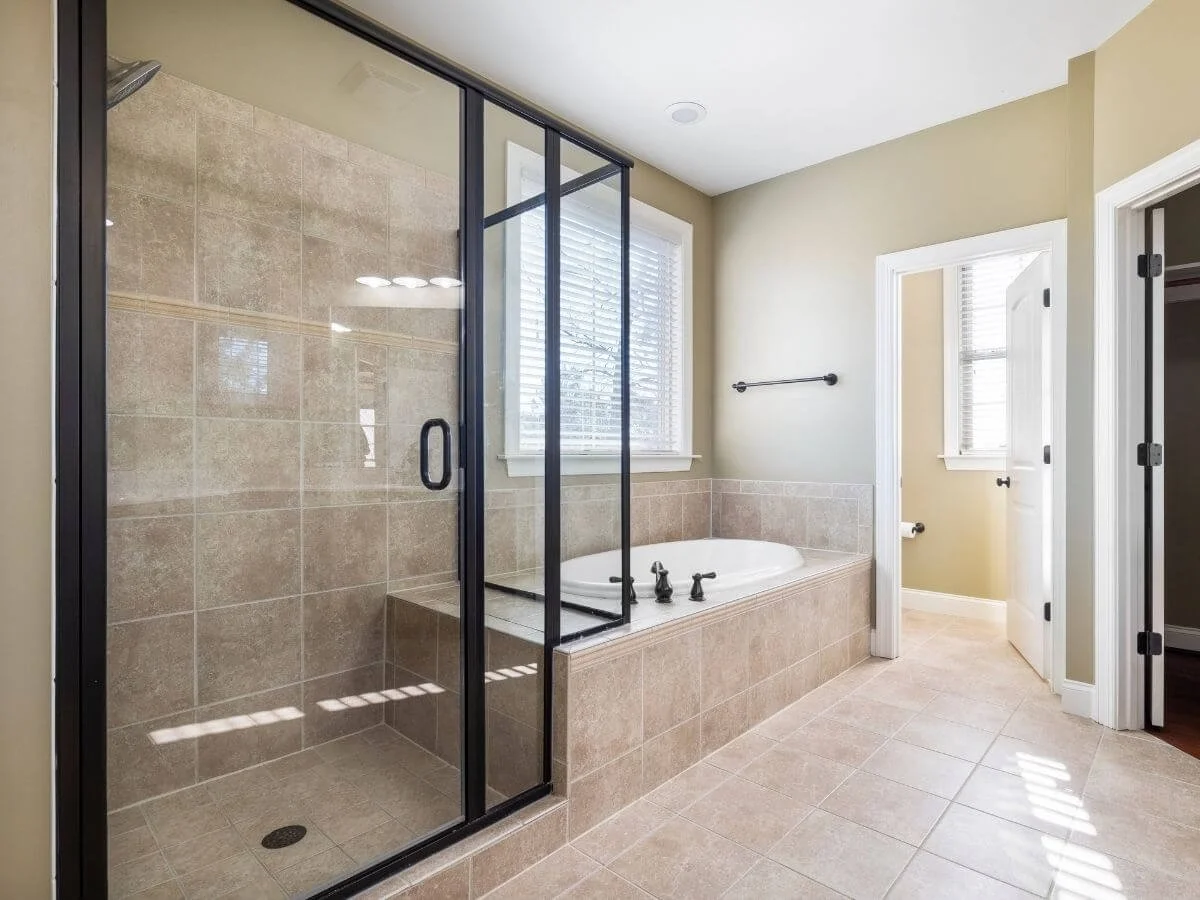
A modern hinged (pivot-style) shower door creates a clean, open entry and a sleek look—ideal when your bathroom has enough clearance for the door to swing.
Picking the right shower door is one of the fastest ways to upgrade a bathroom—but it’s also where a lot of remodels go sideways. The right door depends on your space, how you want the entry to feel, and what installation type works with your shower base. This guide breaks down the most common styles (sliding, pivot, frameless) and shows you how to measure, compare glass, and choose a finish that looks great and stays smooth in daily use.
1) What shower door style fits your bathroom space?
Start with layout. Your bathroom space determines whether a swinging door is practical or if a slide option is better. In a tight room, a sliding shower door can save clearance while still looking clean and modern. Slide doors are most popular if you have a tub.
Think about traffic patterns and the opening width. If you’re working with a narrow corner or an alcove, the right style can make the area feel bigger without changing the footprint of the shower.
2) Sliding vs. pivot: which shower door opens best?
A sliding shower setup (often called a bypass system) uses two panels that slide past each other. This is ideal when you don’t have room for a swinging door. A bypass system is also common on tub/shower combos and narrower openings.
A pivot or hinged door swings outward (and sometimes inward), creating a wider, more open feel. A pivot option can look more upscale, but it needs clearance and a solid mounting surface. If you want a modern look and easy access, hinged designs are hard to beat.
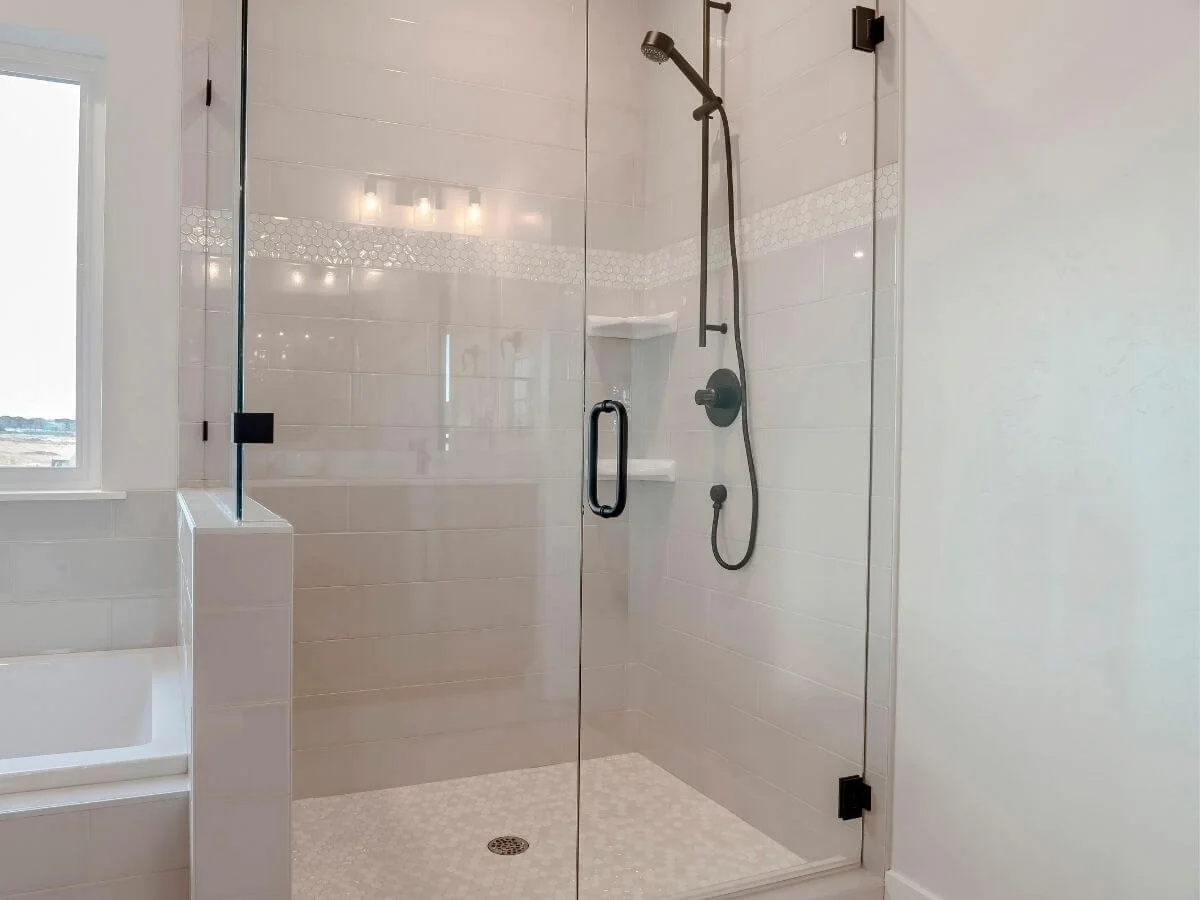
A frameless glass shower door delivers a bright, modern look with clean lines—using thick tempered glass and minimal hardware to create a seamless, easy-to-clean enclosure.
3) Frameless, semi-frameless, or framed: what’s the difference?
Frameless doors use minimal metal, so the glass becomes the star. Many homeowners choose frameless for a sleek, timeless look and an airy feel. A true frameless system typically uses thicker tempered glass and strong hardware for performance.
Semi-frameless designs keep some support (often a header or partial frame) while still looking light and modern. A fully framed door uses more metal around the panels, which can be cost-effective and durable, but it’s a different style choice.
4) What type of glass should you choose?
Most modern doors use tempered glass for safety. Beyond that, your choice is usually about visibility and maintenance. Clear glass shows off tile and makes the shower feel bigger, but it can show water spots more quickly.
Some people prefer textured or coated glass for easier upkeep. A glass shower can look stunning, especially with matching fixtures and a consistent finish. If you’re considering glass shower doors, think about how much daily cleaning you’re willing to do.
5) How to measure the opening correctly (before you buy)
Before buying anything, measure the opening in at least three places: top, middle, and bottom. Walls aren’t always perfectly plumb, so the smallest number typically matters most. Measure height as well to ensure the door and panels fit your layout.
Also check your base and shower base condition. If the base isn’t level, the door may not seal well. This step is one of the most important features of a successful install—don’t skip it.
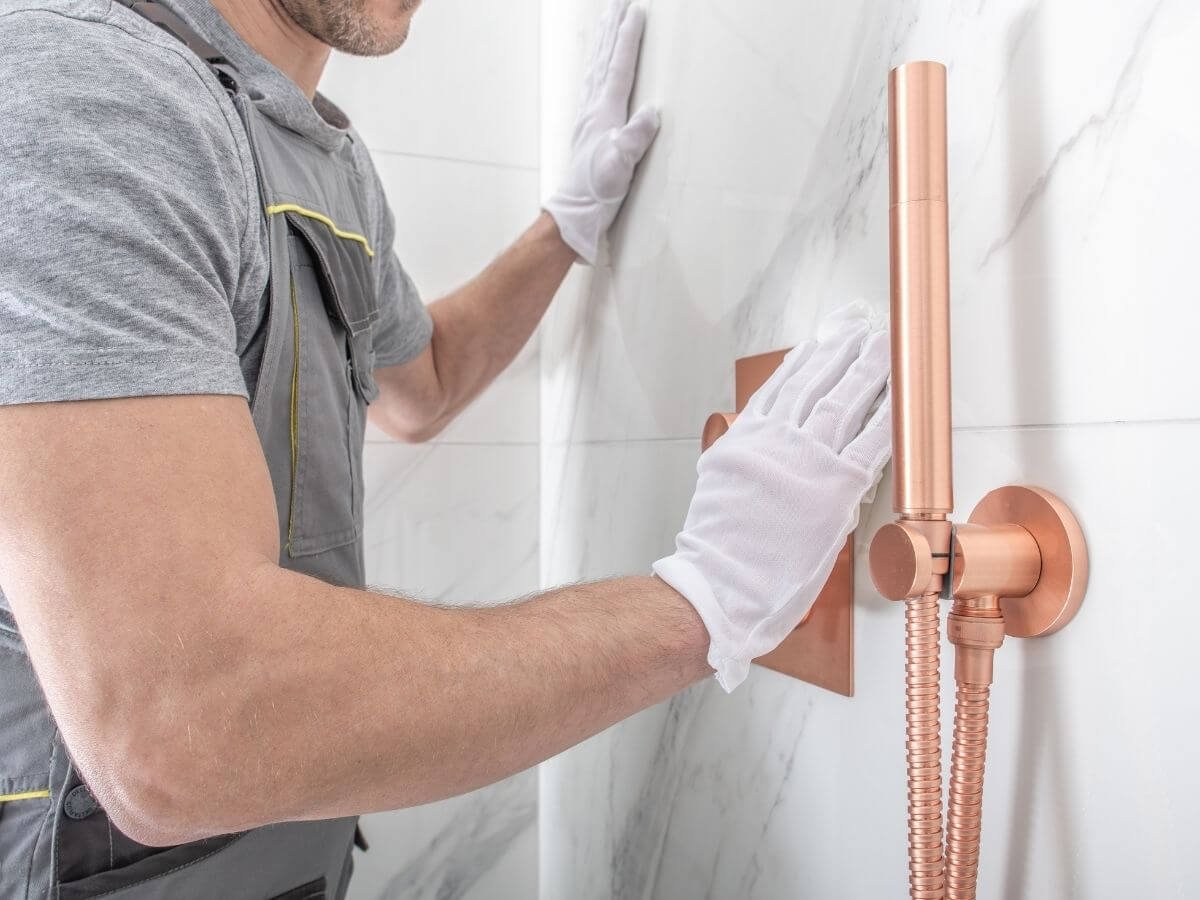
Professional installation ensures your shower door is leveled, sealed, and aligned correctly—so the glass operates smoothly, stays watertight, and looks clean with the finished hardware.
6) Installation basics: DIY or professional installation?
Many homeowners can handle a basic swap, but installation isn’t always beginner-friendly. Heavy glass panels, drilling into tile, and aligning tracks take patience. If you go diy, follow the manufacturer instructions closely and avoid improvising with seals.
Your installation type depends on the style you choose. Sliding doors typically need a track system; pivot doors need strong anchoring points. If your walls are out of square or your base slopes, professional help can prevent leaks and frustration.
7) Enclosure vs. door: when do you need a full enclosure?
Sometimes you’re not choosing just a door, you’re choosing an enclosure. A full enclosure is common for a corner shower or when you’re converting from a curtain to a more finished solution. If your layout is a corner entry, a full enclosure can provide better splash control and a more seamless look.
This is where shopping categories can get confusing. “Door” might mean a replacement panel, while an enclosure can include multiple panels and a coordinated frame/track system.
8) What finish and hardware look best (and last)?
The right finish can tie the whole bathroom together. Popular options include matte black, chrome, and brushed gold for a warm modern look. Match the finish to your faucet, shower valve trim, and any nearby accessories.
Don’t forget about the little things: you’ll want quality seals, rollers (for sliding doors), and secure mounts. Good hardware improves smooth operation and long-term performance.
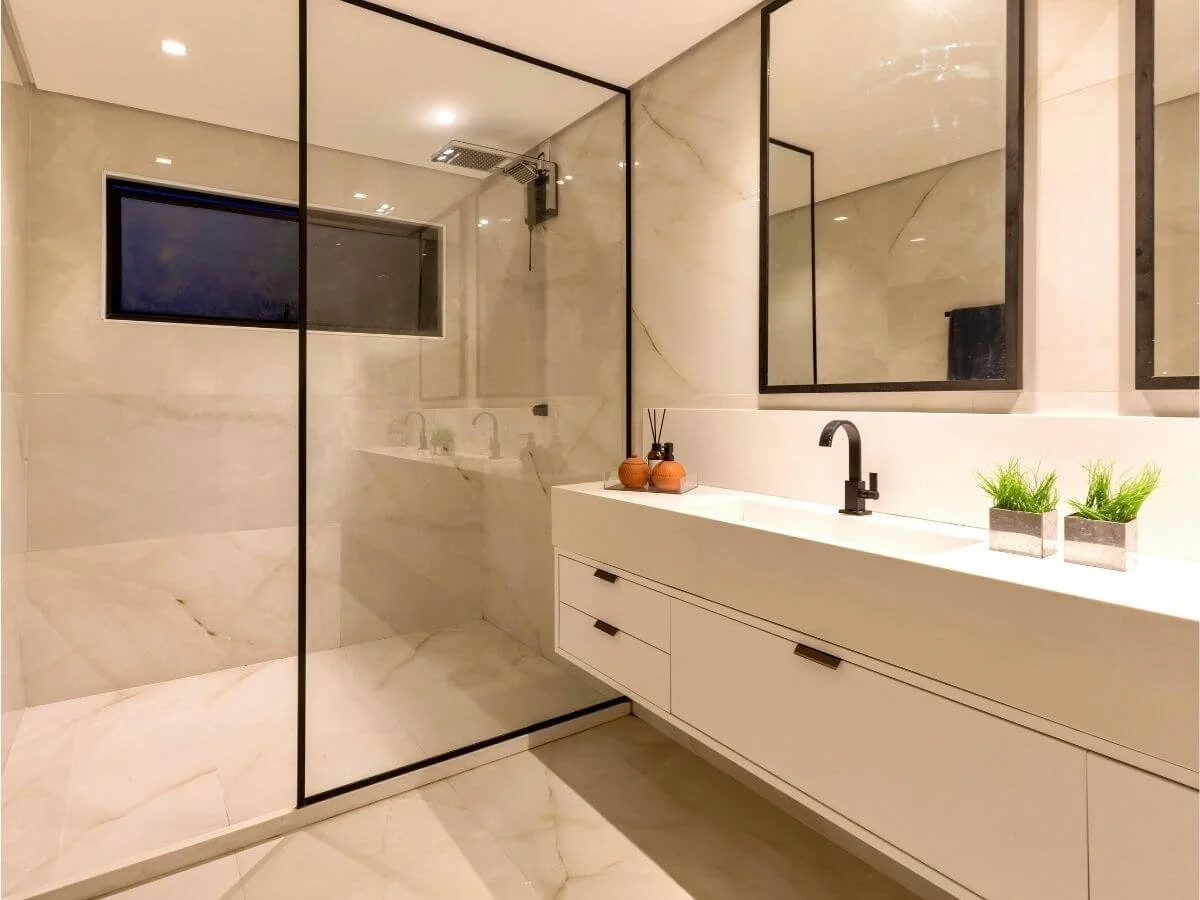
A clean, modern framed (or semi-frameless) glass enclosure adds structure and durability while keeping the shower area bright, open, and easy to match with your bathroom finish and hardware.
9) Modern design tips: making the shower feel bigger
If you want a modern and stylish look, keep lines simple and reduce visual clutter. Frameless doors and clear glass often make the shower area feel larger. A consistent tile pattern and minimal metal create a seamless appearance.
Also consider the shower base height and the bottom seal. A clean bottom line helps the whole installation look more premium, even on a budget.
10) Quick recommendations: how to discover the perfect shower door
To discover the perfect shower, start with function: how the door opens, who uses it, and what will be easiest to clean. Then choose your style—sliding, hinged, or pivot—based on space and layout.
If you’re comparing brands, look for a high-quality build and a selection of shower doors that matches your opening. For example, MAAX is a common option people see during shopping and research; focus less on the name and more on fit, glass thickness, and seal design.
Key takeaways
The best shower door depends on your space, opening, and daily function—not just looks.
Sliding doors (including bypass) save room; pivot doors feel open but need clearance.
Frameless and semi-frameless styles create a modern, sleek look with less visible frame.
Choose safe tempered glass and decide between clear glass or privacy/coated options.
Always measure top/middle/bottom and check the shower base before buying.
Installation varies by style and installation type; DIY is possible, but heavy glass is tricky.
A full enclosure is best for corner setups or when replacing curtains.
Match finish and hardware for a cohesive design and smoother performance.
A well-chosen door can be durable, easier to clean, and feel timeless for years.