Metal Shingle Roof vs Asphalt: Steel Roof Shingles That Look Like Traditional Shingle Roofs
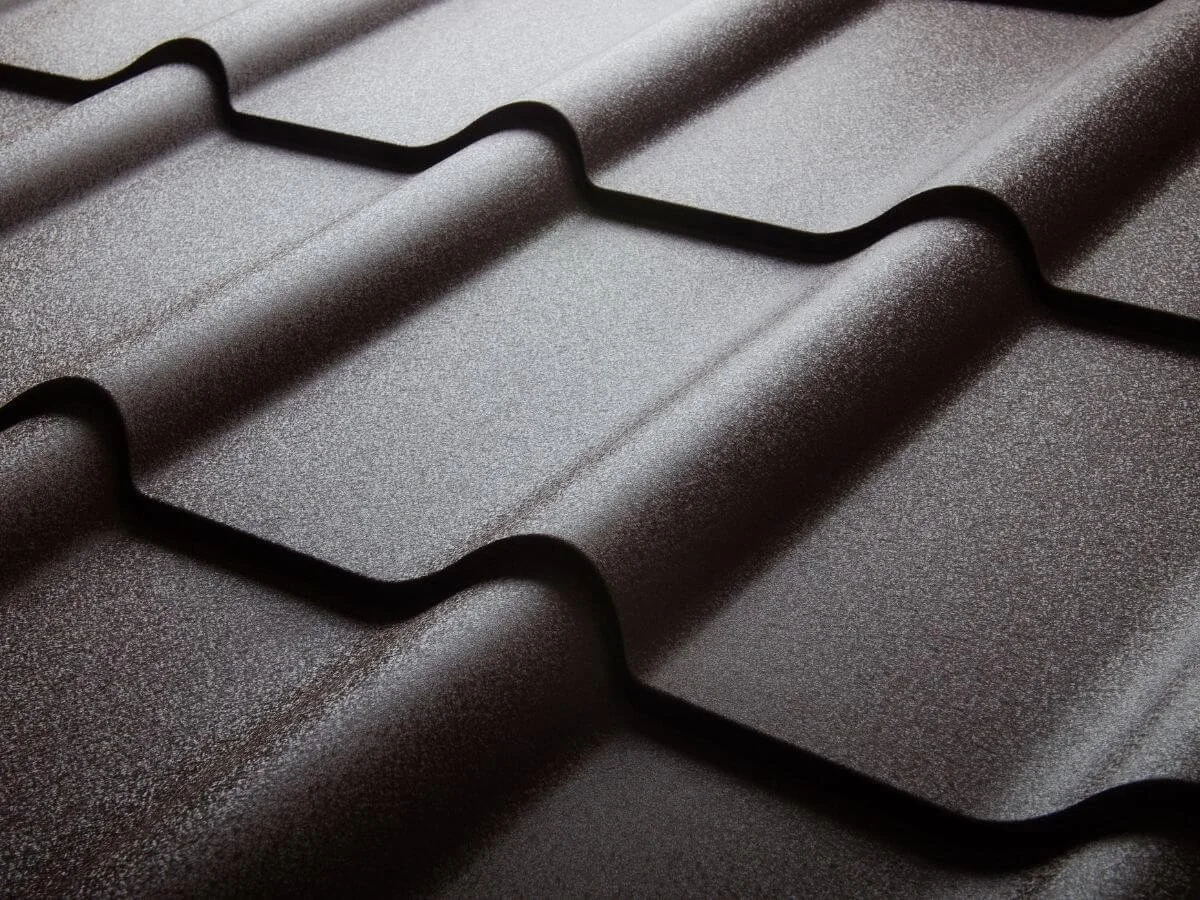
Stone-coated metal shingle roof designed to replicate traditional asphalt shingles while providing enhanced durability and weather resistance.
A metal shingle roof combines the timeless look of traditional roof shingles with the strength of modern steel construction. Homeowners exploring a metal roof often want something that preserves curb appeal while delivering superior durability and longevity. This guide explains how metal roof shingles work, how they compare to asphalt, and whether they’re the right investment for your home.
If you’re researching roofing options, this article will help you understand performance, cost, aesthetics, and long-term value.
What Is a Metal Shingle Roof and How Does It Work?
A metal shingle roof is a roofing system made from interlocking panels designed to mimic traditional shingle styles while providing the strength of steel or aluminum. Unlike large sheets used in some systems, each metal shingle is stamped and coated to resemble slate, shake, tile, or architectural shingles.
These systems use concealed fastener designs and overlapping seams that create a watertight barrier. This engineered roofing system protects against leaks, wind uplift, and extreme weather while maintaining a familiar residential look.
Because they interlock and overlap, metal shingles withstand harsh weather conditions better than traditional asphalt. Many designs use stone granules or textured coatings to enhance durability and improve traction during installation.
Metal Roof Shingles vs Asphalt Shingles: What’s the Difference?
Traditional asphalt shingles are made from fiberglass mats coated with asphalt and mineral granules. They are cost-effective and widely used on asphalt shingle roofs, but they degrade over time from sun exposure and temperature swings.
A metal roof offers significantly better durability and longevity. While traditional asphalt may last 15–25 years, metal shingle roofs can last for decades and often exceed 40–70 years depending on materials and installation quality.
The cost compared to asphalt shingles is higher upfront, but the investment over time can be lower due to reduced repairs, fewer replacements, and potential energy savings.
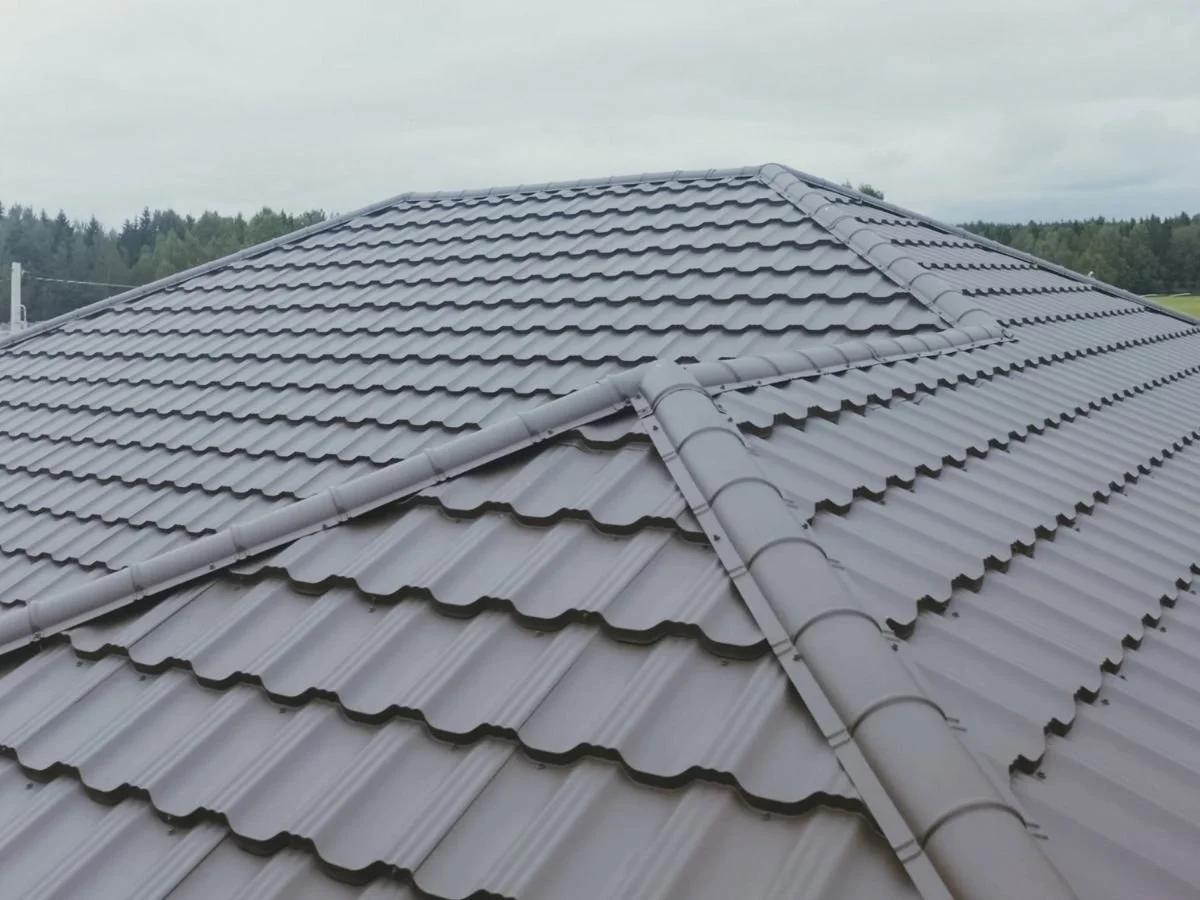
Modern metal shingle roof panels designed to mimic slate and tile while delivering superior durability and weather resistance.
Why Are Metal Roof Shingles Growing in Popularity?
Metal roofing is growing in popularity because homeowners want long lifespan materials that withstand extreme weather. Regions with hail, strong winds, and snow and ice benefit from roofing that resists cracking and water infiltration.
Unlike traditional asphalt, steel shingles withstand impact from debris and severe weather conditions. They resist mold growth and maintain performance even in hot climates.
Another reason for adoption is sustainability. Many metal roofs are recyclable at the end of their life, making them an environmentally responsible roofing choice.
Do Metal Roofs That Look Like Shingles Match Traditional Styles?
Modern metal roofs that look like shingles are designed to replicate traditional roofing styles. Manufacturers create profiles that mimic the look of cedar shake, slate, and even clay tiles.
These roofs that look like shingles preserve curb appeal while delivering improved performance. Stone-coated metal and textured finishes help them blend seamlessly with neighborhood aesthetics.
Homeowners can choose colors and textures that complement architectural designs, from rustic cabins to modern homes.
Types of Metal Shingles: Steel, Aluminum, Zinc & Stone-Coated Options
The most common types of metal used include:
Steel shingles – durable and cost-effective
Aluminum – lightweight and corrosion-resistant
Zinc – premium material known for longevity
Stone-coated metal – steel panels coated with stone granules for texture
Steel is the most popular choice for residential applications due to its strength and affordability. Aluminum performs well in coastal areas, while zinc offers a high-quality finish with exceptional lifespan.
Stone-coated metal shingles provide additional protection and help reduce noise during rain.
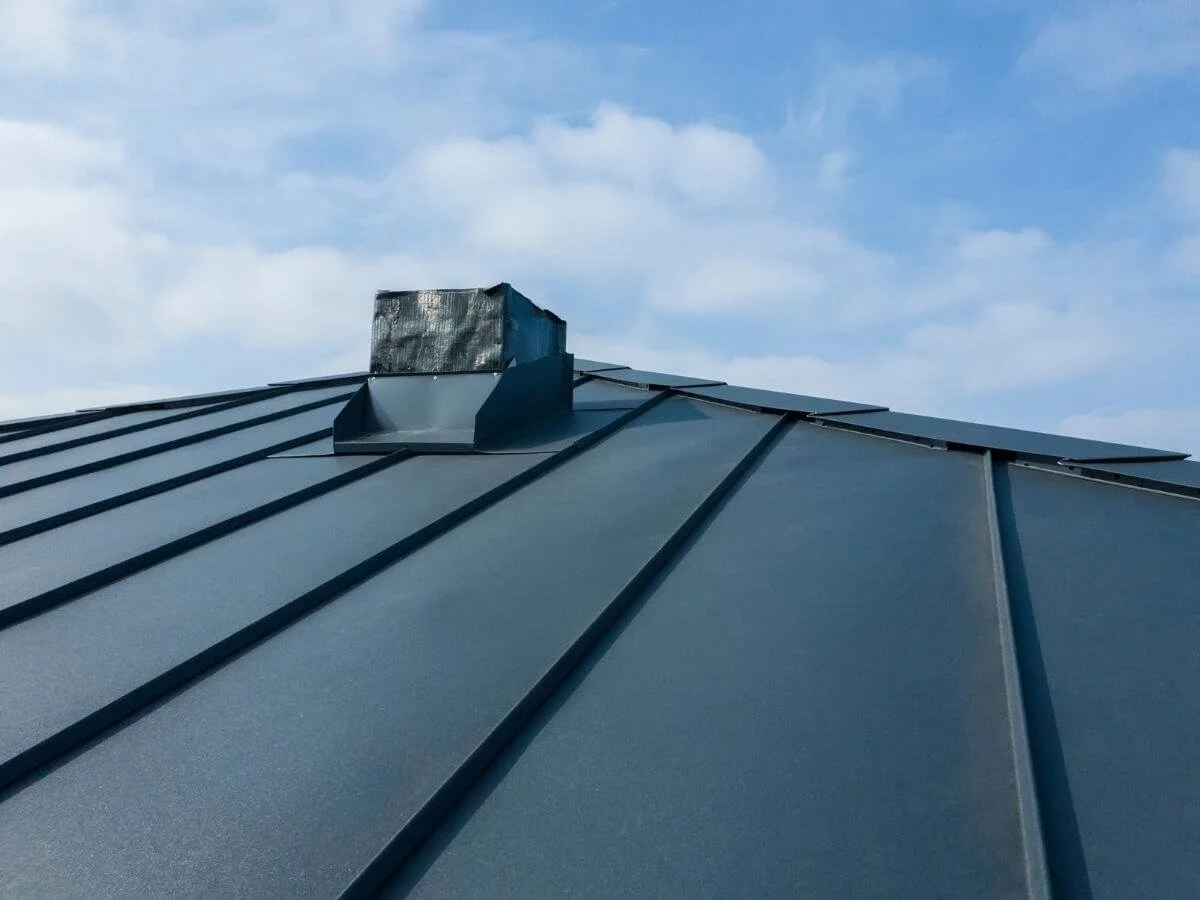
Standing seam metal roof panels designed for superior water shedding, durability, and long-term weather resistance.
Standing Seam vs Metal Shingles: Which Metal Roofing System Is Better?
Standing seam metal roofs use continuous panels joined by raised seams. This system provides sleek lines and superior water shedding but creates a modern appearance.
In contrast, a metal shingle roof offers a more traditional look similar to asphalt shingle roofing. Homeowners who want aesthetic continuity often prefer shingles over panels.
Both systems are durable, but the choice depends on architectural style, budget, and aesthetic preferences.
Advantages of Metal Roofing: Durability and Longevity
One of the biggest advantages of metal roofing is durability and longevity. Metal roof shingles withstand strong winds, heavy rain, hail, and snow loads.
Unlike asphalt, metal does not crack, warp, or deteriorate quickly. It can withstand extreme weather and resist fire damage.
Metal roof can last decades with minimal maintenance, making it a durable and cost-effective option over time.
Energy Efficiency: Can a Metal Roof Keep Your Home Cooler?
A metal roof may reflect solar radiation rather than absorbing it like asphalt. Reflective coatings help keep your home cooler in hot climates.
This thermal performance reduces cooling demand and may lower energy costs. Proper attic ventilation further enhances efficiency.
Some coatings are designed to improve heat reflection while maintaining the aesthetic appearance of traditional roofing materials.
Metal roofing provides long-term protection backed by strong warranties, helping safeguard your home for decades.
Installation, Warranty, and Maintenance Considerations
Proper installation is critical to performance. A professional installer ensures seams, fasteners, and flashing details prevent leaks.
Many metal roofing systems include warranties ranging from 30 years to lifetime coverage. This long-term protection reflects the durability of the materials.
Maintenance requirements are minimal. Periodic inspections for debris buildup and fastener tightness help extend lifespan.
Cost of a New Metal Shingle Roof: Is It Worth It?
The cost of a new metal shingle roof involves a higher upfront cost compared to asphalt. However, fewer replacements and repairs make it a cost-effective solution long-term.
Metal shingle roofs can last far beyond the end of their life expectancy compared to asphalt systems, reducing replacement cycles.
When evaluating the upfront cost compared to asphalt, consider energy savings, insurance discounts, and long lifespan benefits.
Aesthetic Appeal and Curb Appeal Benefits
Metal shingles mimic the look of traditional materials such as slate, tile, and shake while offering enhanced performance.
This versatility allows homeowners to achieve a high-quality appearance while improving home value and curb appeal.
Architectural profiles enhance visual depth, making metal roofing an attractive upgrade over standard shingles.
Important Things to Remember
A metal shingle roof combines classic style with modern durability.
Metal shingles can replicate slate, shake, tile, and traditional asphalt looks.
Steel shingles withstand hail, strong winds, and extreme weather.
Metal roofs can last decades and offer exceptional longevity.
Upfront cost is higher, but long-term value is strong.
Reflective coatings help keep your home cooler and improve efficiency.
Stone-coated metal options enhance texture and aesthetics.
Proper installation ensures watertight seams and long lifespan.
Metal roofing is recyclable at the end of its life.
A new metal roof can improve curb appeal and protect your home for decades.